これは、IDCのリサーチディレクターであるデヴィン・プラット氏によるゲストブログ記事です。
今日、私が IT リーダーたちにブリーフィングを行うと、会話の方向性が逆転します。以前はどのモデルを使用するかが問題でしたが、現在では、自律的に動作するソフトウェアにデータプラットフォームが追従できるかどうかが問題となっています。生成系 AI は質問に答えますが、エージェント型 AI はアクションを実行します。この変化がデータプラットフォームの果たすべき役割のすべてを変えます。
これはいつか起こる問題ではありません。IDC の2026年4月の Worldwide Data Management Survey(n = 715)によると、組織の30%がすでに本番環境でエージェント型 AI を実行しており、さらに50%が確立された支出計画に基づいて投資を進めています。5社に4社の企業が、エージェントを業務に導入すべきかどうかの検討段階をすでに終え、エージェントを安全に実行する方法を検討しています。
図 1. エージェント型 AI はすでに本番環境へと移行しつつあります。
Q. 組織におけるエージェンティック AI の評価または使用の現在の状態を最もよく表しているのはどれですか?
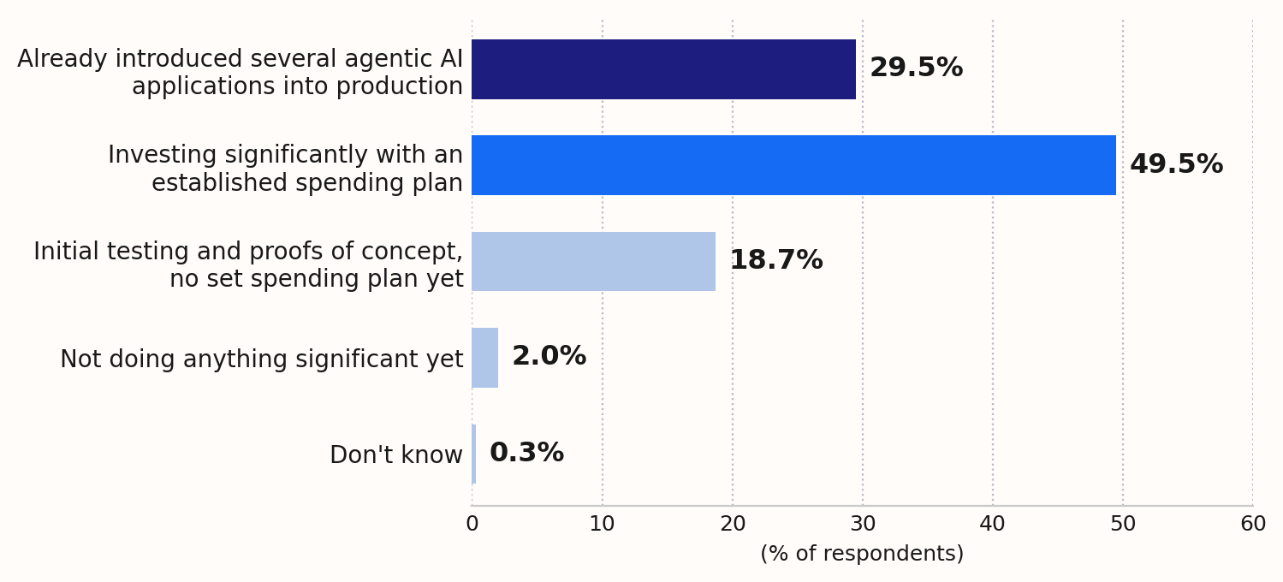
n = 715、出典:IDC Worldwide Data Management Survey、2026年4月
これこそが、私が何度も取り上げる変化です。すでに起きたことを分析するために構築されたプラットフォームは、次に起きることを実行するために構築されたプラットフォームとは異なります。エージェントがデータを読み取り、判断し、リアルタイムでアクションを起こすとき、データベースは単なる受動的な記録の保存場所ではなくなります。リアルタイムのコンテキストが提供され、適切な情報が抽出され、エージェントがアクションを実行するまさにその瞬間にポリシーが適用される制御ポイントとなります。ここを誤ると、たった1回の誤った読み取りが機械の速度で誤ったアクションとなり、それが繰り返されることになります。
リアルタイムは今や例外ではなく、標準となっています。同調査では、エンタープライズのデータユースケースの64.6%がすでにリアルタイムまたはほぼリアルタイムの配信を必要としています。ストリーミングシナリオでは、91.2%が200ミリ秒未満のエンドツーエンドのレイテンシを必要としています。バッチ指向のアーキテクチャは、ますますその境界線の望ましくない側に位置するようになっています。
では、IT リーダーは実際に何を重視すべきでしょうか?チームと共にこれらに取り組む際、毎回4つの要件が挙がります。
- AI に適した形状のデータに適合するリアルタイムの運用基盤:AI データは非構造化で変化が速く、大容量です。基盤はその形に適合し、高速に提供できなければなりません。そのため、リレーショナルが依然として最大のセグメントであるにもかかわらず、IDC は非スキーマ型システムおよびデータレイクシステムがデータベース市場全体を上回るペースで成長すると予測しています。
予測不能なエージェント主導の需要に対応する柔軟なスケール:エージェントのトラフィックは突発的で予測が困難です。チームは、厳格な拡張上限によって強いられる破壊的な再構築を行うことなく、単一の基盤上で成長することを求めています。パブリッククラウドが現在データベース収益の64.6%を占める中、それがコアプラットフォームへの統合を進める論理となっています。
正確で常に最新の抽出:エージェントの性能は、抽出できるコンテキスト次第です。購入者はこのことを理解しています。約75%がスタンドアロン型よりも統合型ベクトルデータベースを支持しており、47%が安全で信頼できる AI には一貫したセマンティックレイヤーが不可欠であると考えています。
本番環境でエージェントを実行するための統制されたランタイム:耐久性のあるメモリ、ID に紐付けられたポリシー、オブザーバビリティにより、ガバナンスチームはエージェントが実際にアクションを実行することを信頼できるようになります。IDC は、2027年までにエージェント型 AI のユースケースの80%がリアルタイムでコンテキストに応じたデータアクセスを必要とし、企業はゲートキーピングから一元管理されたガバナンスを備えたフェデレーティッドアクセスへと移行していくと予測しています。
要件を把握するのは簡単なことです。実際には、3つの要因がチームの速度を低下させており、留意するだけの価値があります。
ロックインへの懸念:約95%の組織がデータ主権の要件を報告し、90%がオープンソースデータベースを実行している中、企業は1つのスタックにビジネスを賭けるのではなく、複数のクラウド間や独自のインフラストラクチャ上で実行することを求めています。
自律的なアクションのガバナンス:ソフトウェアが自律的にアクションを実行できる場合、制御可能で監査可能なアクセスが必須になります。 それを証明できるまで、エージェントはパイロット環境で停止します。
制御不能になるコスト:検索負荷の高いエージェントは突発的な消費を引き起こし、各ステップでコンテキストを再説明することで知らないうちにトークンが消費されます。コストにおいては、未使用のキャパシティーではなく使用量をトラックする必要があります。
心強いのは、これらの問いには回答があるという点です。検索をデータの近くに維持し、どこにでもデプロイでき、デフォルトでエージェントを統制するプラットフォームは、この3つすべてに直接対処します。
今後の展望
パターンはすでに見えています。IDC は、2029年までにエンタープライズデータプラットフォームの60%が、エージェント型 AI を支えるために、ハイブリッド処理アーキテクチャでトランザクションワークロードと分析ワークロードを統合すると予測しています。データベースは、もはやデータが待機する場所ではなく、エージェントが行動する場所です。そのように捉える企業は、パイロット段階から本番環境へと移行します。そうしない企業は、差が広がるのを目の当たりにすることになります。
独自の道筋を計画している場合は、上記の要件が出発点として適しています:リアルタイムの基盤、柔軟なスケーリング、正確な検索、統制されたランタイム、そしてどこでも実行できる自由。
続きを読む
これら4つの要件の背景にある市場データを含む完全な分析については、MongoDB がスポンサーとなっている IDC Spotlight インテリジェントデータプラットフォームの時代:エージェント型 AI に向けたエンタープライズの準備(IDC #US54925526、2026年9月)をご覧ください。