Multi-Agenten-Frameworks für die Analyse von Finanzdokumenten
Finanzdienstleistungen basieren auf Dokumenten: Kreditakten, KYC-Pakete, Mandantenschreiben und Compliance-Bescheinigungen. Agentische KI verändert die Wirtschaftlichkeit der manuellen Sortierung, allerdings nur, wenn die Datenschicht die Erfassung, Extraktion und Abgleichung durch mehrere Agenten in großem Maßstab unterstützen kann.
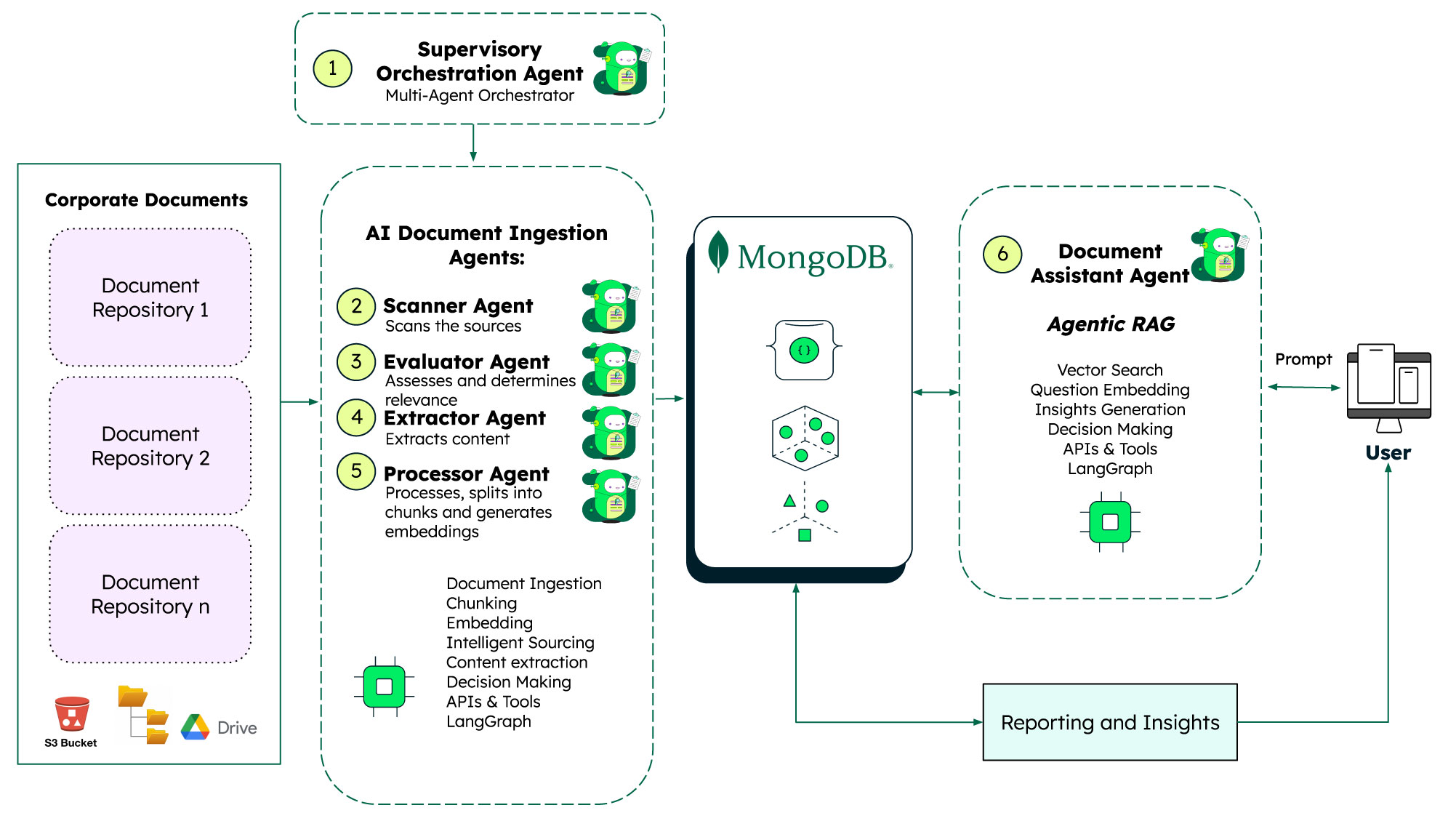
Die Referenzarchitektur für die Dokumentenintelligenz nutzt ein Supervisor-Multi-Agenten-System, das auf einer einzigen MongoDB-Datenschicht basiert:
- Scanner-Agent: identifiziert und analysiert relevante eingehende Unternehmensdokumente.
- Bewertungsagent: bewertet Vermögenswerte nach ihrer kontextuellen Relevanz für den geschäftlichen Anwendungsfall.
- Extraktionsagent: extrahiert die gewünschten Inhalte und bereitet sie für die automatisierte Aufteilung in Blöcke vor.
- Prozessoragent: erzeugt Embeddings mit voyage-context-3, um sowohl lokalen als auch globalen Dokumentenkontext für eine höhere Abrufgenauigkeit zu erfassen.
- Dokumentassistent-Agent: übernimmt die nachgelagerte, agentenbasierte Retrieval Augmented Generation (RAG) und legt anhand von Nutzeranfragen fest, wann und wie der Kontext abgerufen werden soll.
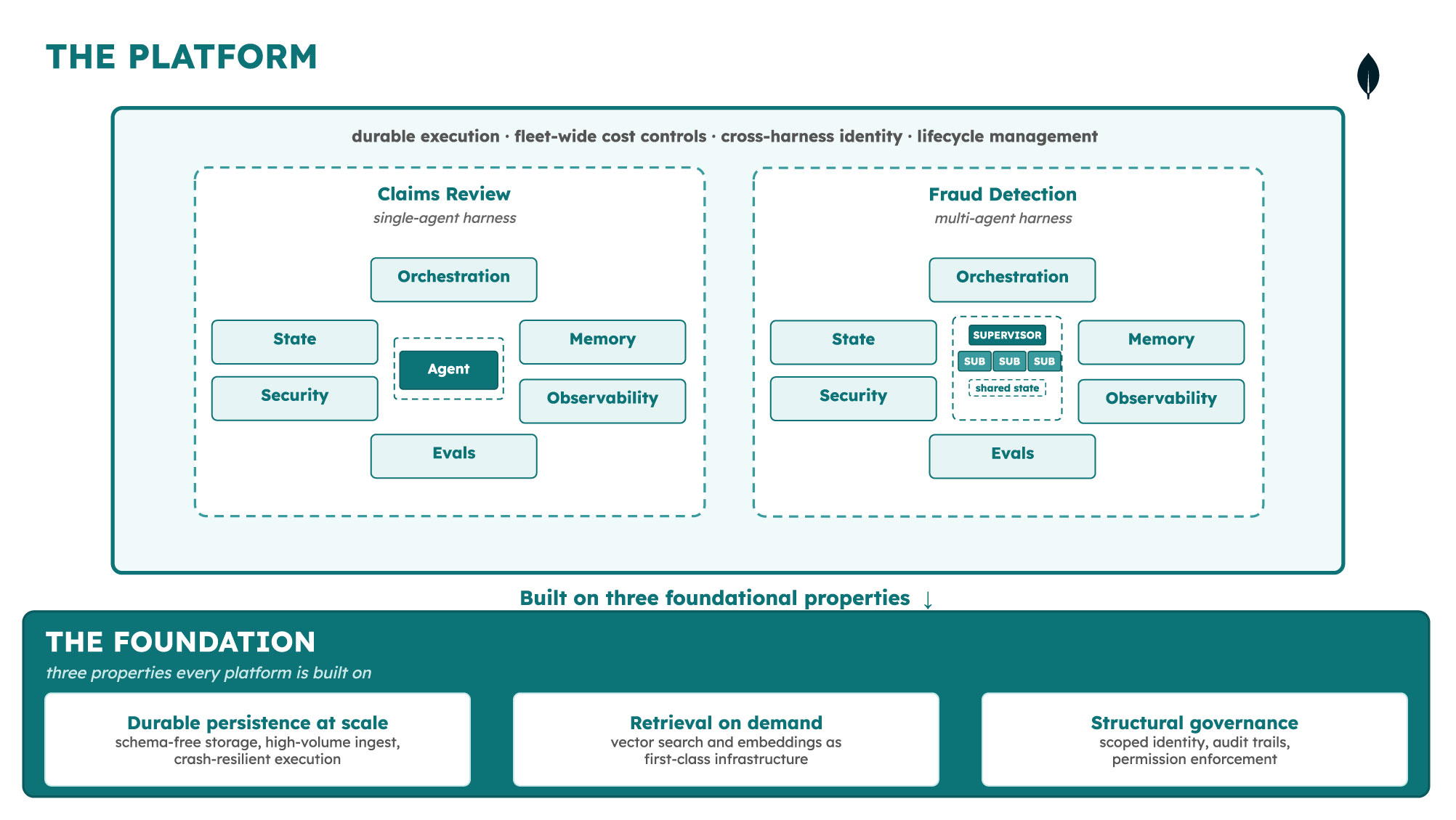
Der Agent-Speicher ist der Teil, der still und leise den Großteil der Arbeit erledigt. Jeder Agent merkt sich frühere Interaktionen und lernt im Laufe der Zeit aus Korrekturen. Dieses Gedächtnis muss an einem sicheren Ort gespeichert werden, der strenge Zugriffskontrollen und Prüfpfade vorsieht, die den Anforderungen der Governance im Finanzdienstleistungssektor entsprechen.
Agentische Kräfte freisetzen, um globale Zahlungssysteme zu modernisieren
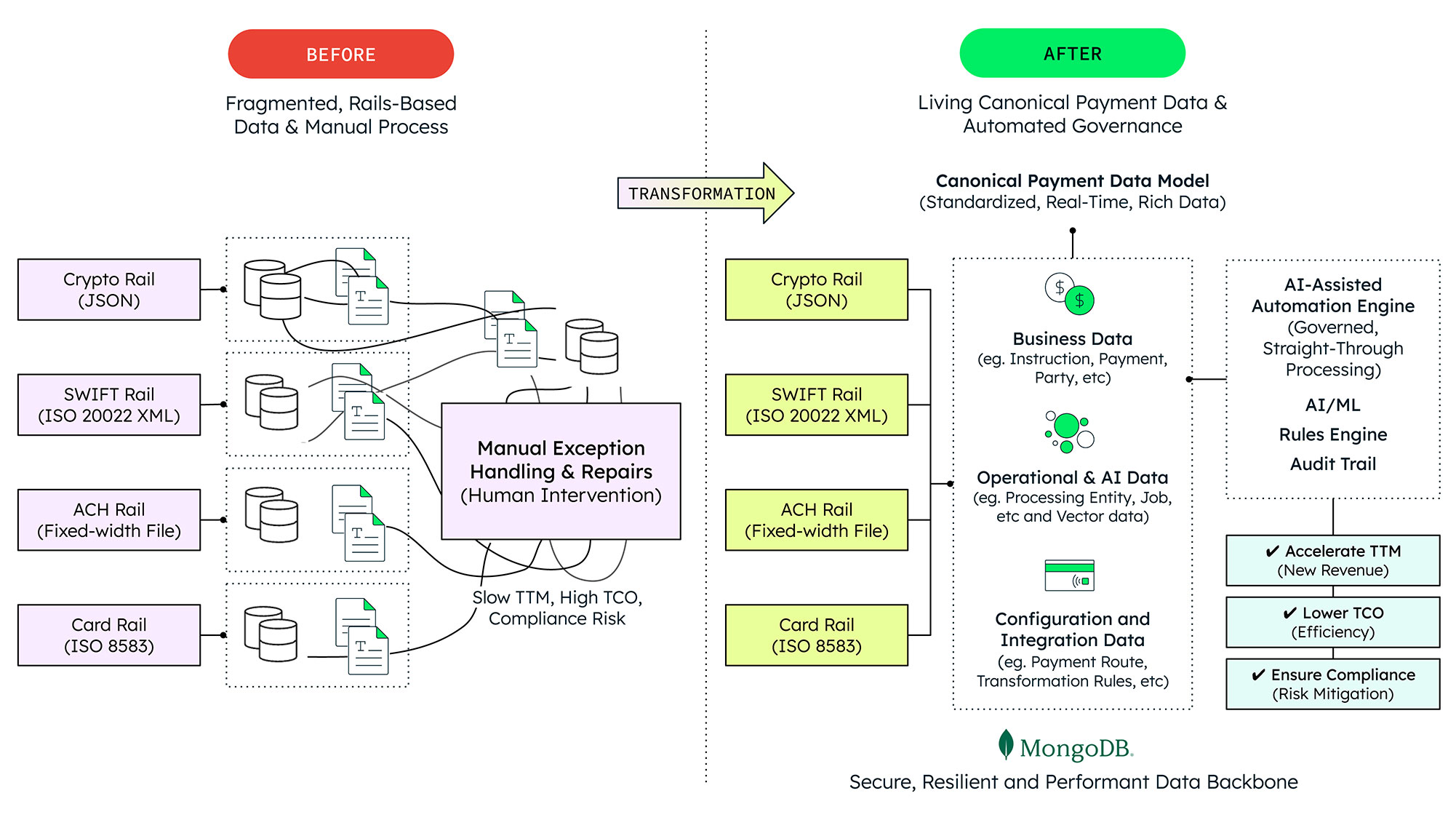
Zahlungssysteme sind der Teil des Finanz-Stacks, bei dem die Modernisierung am schwierigsten ist und die Kosten bei Fehlentscheidungen am höchsten sind. Die Kanäle, über die Geld fließt, wurden jeweils für eine andere Ära entwickelt: SWIFT nutzt ISO 20022 XML, ACH nutzt Dateien mit fester Spaltenbreite, Kartennetzwerke nutzen ISO 8583 und Kryptowährungen nutzen JSON. Die meisten Banken verbinden diese Systeme über Punkt-zu-Punkt-Integrationen miteinander und schließen die Lücken durch manuelle Ausnahmebehandlung. Allein durch fehlgeschlagene Zahlungen entgehen der Weltwirtschaft jedes Jahr über 100 Milliarden US-Dollar. Die Folge sind lange Markteinführungszeiten, hohe Betriebskosten und anhaltende Compliance-Risiken.
Die Lösung besteht nicht darin, die Kanäle zu ersetzen, sondern alles, was sie ausgeben, in einem einheitlichen Zahlungsmodell zusammenzuführen: Geschäftsdaten wie Anweisungen und Parteien, Betriebs- und KI-Daten wie Verarbeitungsaufträge und Vektor-Einbettungen sowie Konfigurationsdaten wie Routen und Transformationsregeln. Auf der Grundlage dieses Modells kann eine Automatisierungs-Engine mit KI/ML, Regeln und einem integrierten Prüfpfad endlich nützliche Arbeit leisten: Routing, Abstimmung, Betrugs-Triage, Ausnahmebehandlung und Kundenkommunikation.
Das Ergebnis sind eine schnellere Markteinführung, geringere Betriebskosten und die Behandlung der Compliance als eine Eigenschaft der Daten und nicht als vierteljährliche Notübung. Was sich ändert, ist das, was die Bank auf den Markt bringen kann.
Multi-Agenten-Systeme für das Management von Störungen in der Lieferkette
Störungen in der Lieferkette stellen das klassische Multi-Agenten-Problem dar. Ein Wetterereignis in einem Hafen, ein Arbeitskampf in einem anderen, ein Qualitätsproblem bei einem Zulieferer der zweiten Ebene und ein Nachfrageschub in einem Schlüsselmarkt – all diese Faktoren wirken aufeinander ein. Kein einzelnes menschliches Team kann das vollständige Bild in Echtzeit erfassen. Das kann auch kein einzelner Agent. Die Folgen von Fehlentscheidungen sind greifbar: Störungen in der Lieferkette kosten Unternehmen schätzungsweise 184 Milliarden Dollar pro Jahr.
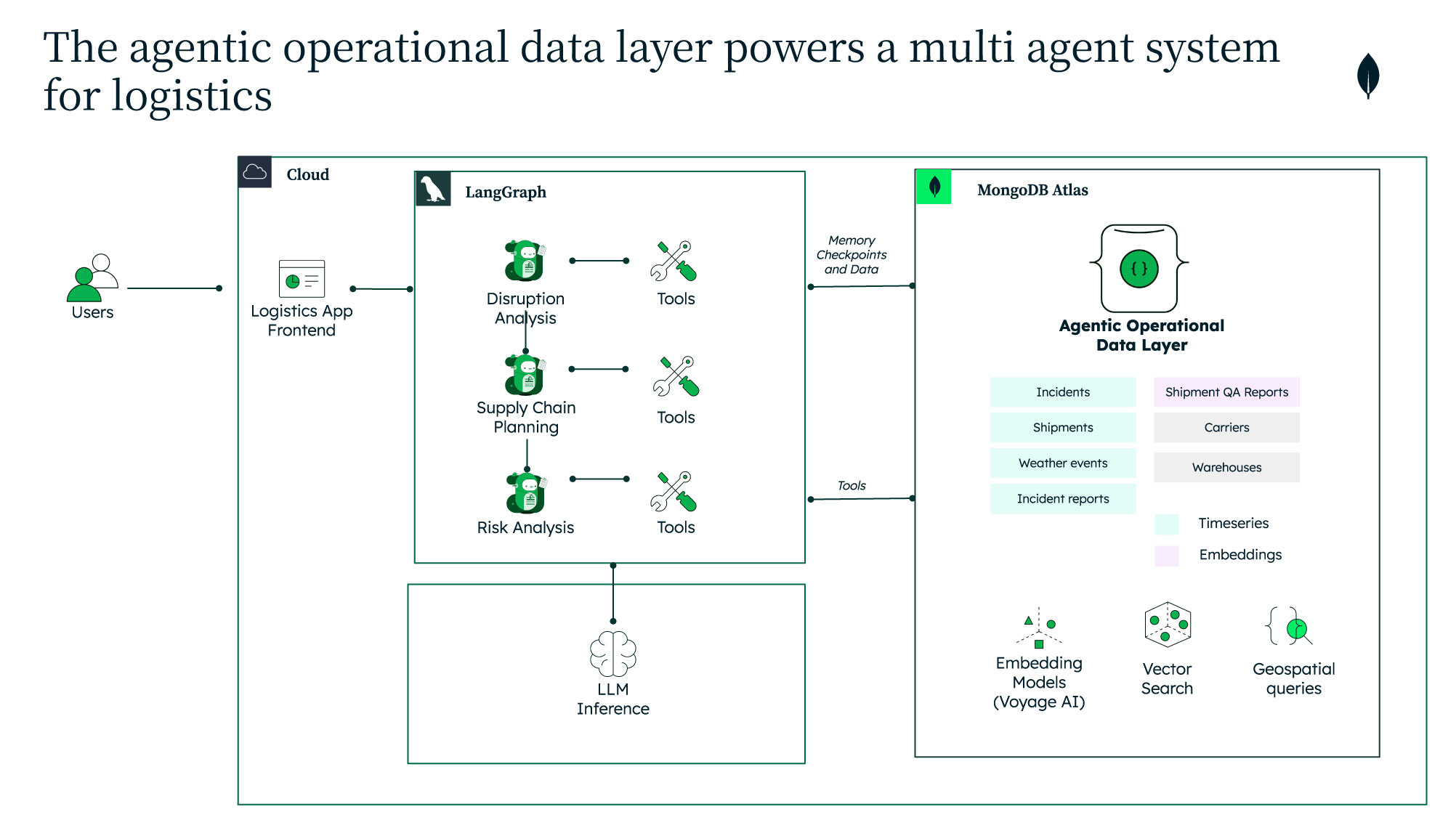
In der Praxis gliedert sich die Arbeit in verschiedene Fachbereiche: Die Störungsanalyse überwacht Vorfälle in Echtzeit, die Lieferkettenplanung modelliert die Auswirkungen auf nachgelagerte Bereiche und schlägt Maßnahmen zur Risikominderung vor, die Risikoanalyse bewertet das Risiko und zeigt auf, welche Fälle eskaliert werden müssen. LangGraph (ein Orchestrierungs-Framework für Multi-Agenten-Workflows) sorgt für die Verknüpfung zwischen ihnen, doch das gemeinsame Verständnis der Agenten von der Welt befindet sich in der darunterliegenden Datenschicht: einem einzigen Speicher, in dem Sendungen, Wetterdaten, Spediteure, Flottenknotenpunkte und eingebettete Störungsmeldungen gemeinsam gespeichert sind.
MongoDB Atlas bietet mehr als nur Speicherplatz. Wetterdaten werden als Zeitreihen gestreamt. Sendungen und Lagerhäuser sind mit Koordinaten versehen, die für georäumliche Abfragen herangezogen werden können. Historische Vorfallberichte werden in Voyage AI eingebettet, sodass die Vektorsuche die Informationen aus früheren Störungen aufbereiten kann, die die Agenten benötigen. Und die Speicher-Checkpoints, die LangGraph zwischen den einzelnen Schritten der Agenten schreibt, werden im selben Speicher abgelegt – wodurch sich die Nachanalyse als strukturierte Aufzeichnung und nicht als Slack-Thread ansammelt.
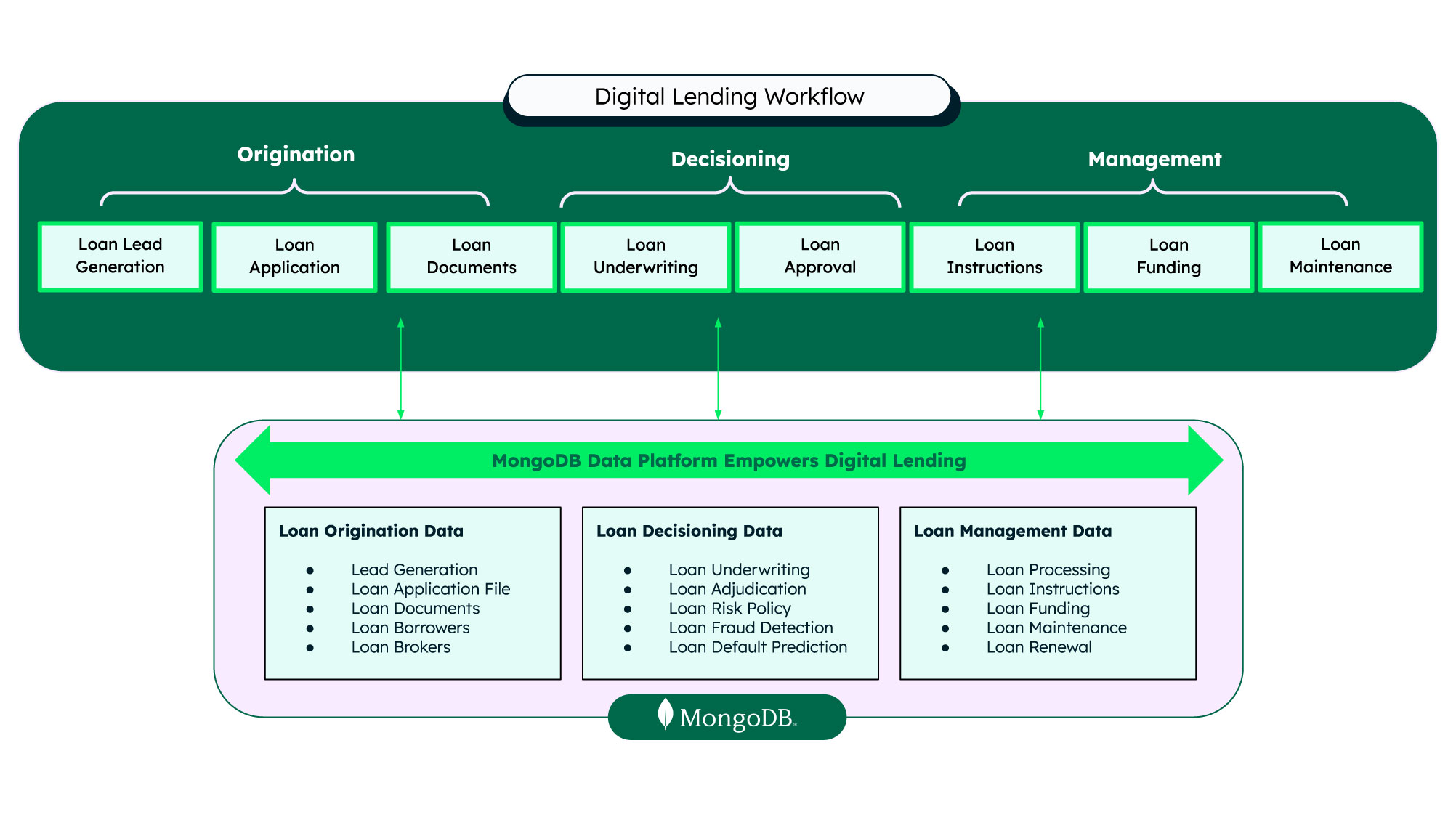
Der moderne, durchgängig digitale Kreditvergabeprozess, unterstützt durch MongoDB und agentische KI
Die Kreditvergabe ist der klassische Finanzprozess, bei dem seit zwei Jahrzehnten eine durchgängige Automatisierung erwartet wird, der jedoch bislang meist nur teilweise und über viele isolierte Bereiche hinweg automatisiert wurde. Die Gründe dafür sind bekannt: Die Daten befinden sich in einem Dutzend Systemen, die Compliance-Schritte erfordern in mehreren Phasen menschliches Urteilsvermögen, und das Kundenerlebnis wird von dem System geprägt, das zufällig die schlechteste Übergabe hat.
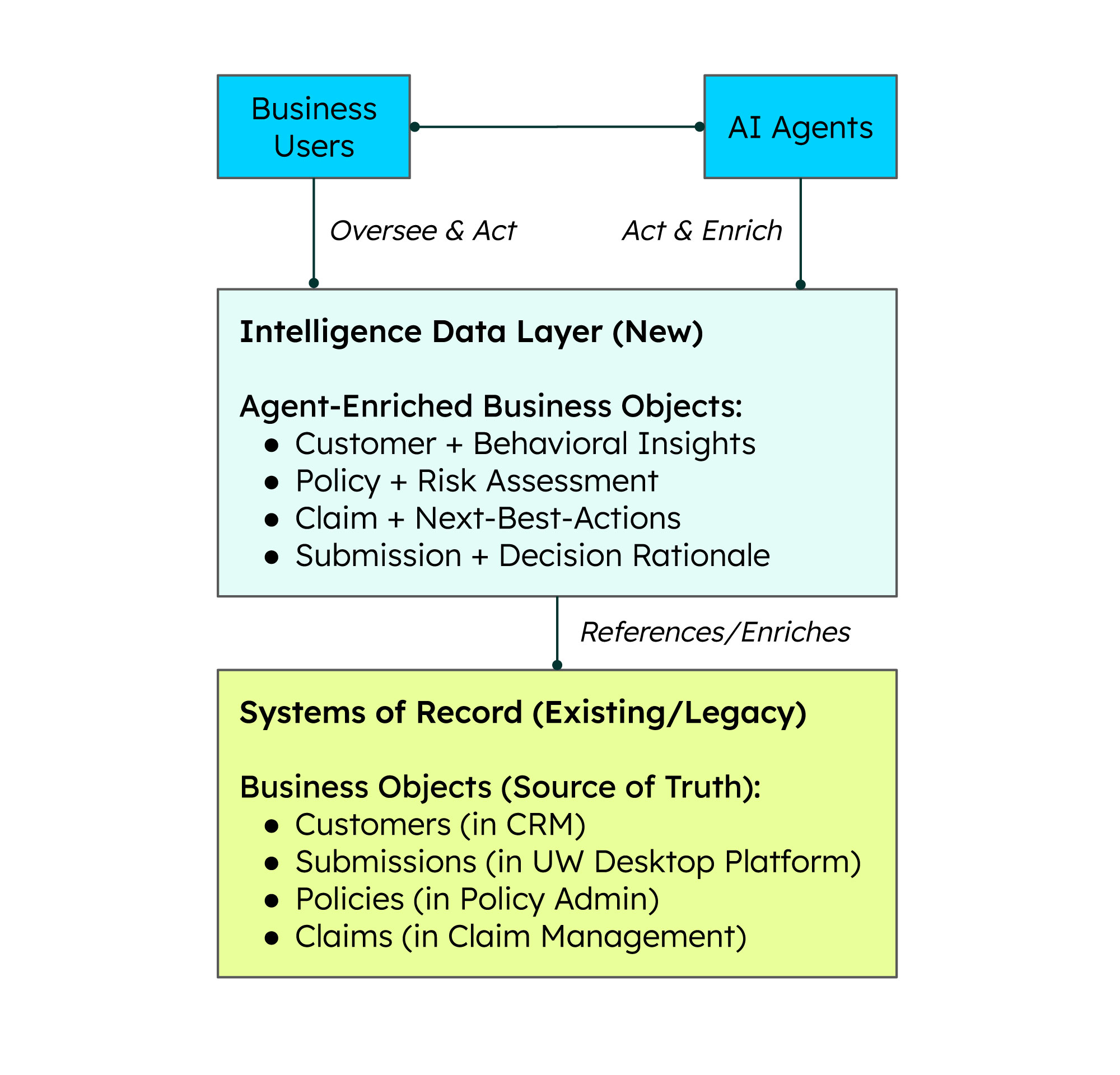
Agentische KI beseitigt den Engpass. Ein moderner Kreditprozess lässt sich als koordiniertes Netzwerk von Agenten gestalten, die den gesamten Lebenszyklus von der Kreditvergabe bis zur Verlängerung abdecken. Ein Kreditantragsagent fungiert als intelligenter „Einstiegspunkt“, der Kreditnehmer begleitet, Daten in Echtzeit validiert und ergänzt sowie Erkenntnisse aus Dokumenten gewinnt, um ein entscheidungsreifes Kreditprofil zu erstellen. Ein Kreditprüfungsagent kombiniert Geschäftsregeln, Modelle des maschinellen Lernens und alternative Daten, um die Kreditwürdigkeit kontinuierlich zu bewerten, und leitet Ausnahmen sowie Fälle mit hohem Risiko zur endgültigen Freigabe an einen menschlichen Prüfer weiter. Ein Verlängerungsagent überwacht den Lebenszyklus nach der Finanzierung, prognostiziert Refinanzierungs-, Notlage- und Abwanderungsrisiken und löst personalisierte Angebote oder frühzeitige Maßnahmen aus. Jeder Agent ist in seinen Aufgaben begrenzt, jeder ist beobachtbar, und jeder hat Zugriff auf eine einheitliche Sicht auf den Antrag als Geschäftsobjekt Der Kunde erlebt ein einheitliches Erlebnis. Der Kreditgeber sieht ein Prüfprotokoll.
Die Architektur ist von Bedeutung, da die Kreditvergabe eine Tätigkeit ist, bei der es auf ein hohes Maß an Urteilsvermögen ankommt. Die Datenebene bestimmt, wo Automatisierung sicher ist, wo eine menschliche Überprüfung erforderlich ist und letztendlich, worin der Unterschied zwischen einem Prozess liegt, der nur wenige Minuten dauert, und einem, der Wochen in Anspruch nimmt. Dieses Muster lässt sich über die Kreditvergabe hinaus auf jeden dokumentenintensiven Finanzworkflow verallgemeinern, bei dem ein Gleichgewicht zwischen Geschwindigkeit und regulatorischer Kontrolle hergestellt werden muss.
Der Portabilitätstest: Schutz vor Ausfällen einzelner Clouds
Sobald Aktionssysteme beginnen, Live-Workloads zu verarbeiten, wird Portabilität zu einer zentralen Anforderung und nicht mehr nur zu einem nachträglichen Gedanken. Agentenbasierte Unternehmenssysteme beschränken sich selten auf eine einzige Umgebun: Sie erstrecken sich über Clouds, geografische Regionen und Rechenmodelle hinweg. Wenn Ihr operativer Speicher, die Vektorsuche und der Agentenspeicher gezwungen sind, getrennt voneinander verschoben zu werden, fragmentiert sich der Stack erneut.
Kapazitätsengpässe bei Hyperscalern und gesetzliche Vorschriften zur Datenlokalisierung führen häufig zu Multi-Cloud-Lösungen. So kann beispielsweise ein innovatives Unternehmen, dem in einer Cloud die GPU-Kapazität ausgeht, einen Teil seiner Workloads auf Google Cloud verlagern, um dort TPUs zu nutzen, und dabei seine Datenschicht aus praktischen Gründen auf beide Plattformen aufteilen.
Ein einzelner MongoDB Atlas Cluster kann sich gleichzeitig über AWS, Google Cloud und Microsoft Azure erstrecken. Genau dieselbe Datenbank-Engine läuft vor Ort über MongoDB Enterprise Advanced für Air-Gapped- oder souveräne Bereitstellungen. Dies schützt vor der kostspieligsten Art von Cloud-Fehlern: dem Aufbau einer Architektur, die bei einem Anbieter funktioniert, aber völlig zusammenbricht, sobald das Unternehmen einen weiteren Anbieter hinzufügt, einen bestehenden ersetzt oder seine Aktivitäten auf mehrere Anbieter aufteilt. Dieser Unterschied zeigte sich deutlich nach drei Ausfällen im Jahr 2025: Google Cloud im Juni, AWS US-EAST-1 am 20. Oktober und Azure Front Door neun Tage später. Jeder Ausfall traf Kunden, die auf einen einzelnen Anbieter setzten. Jeder war für Kunden überlebbar, deren Datenschicht sich über mehr als einen Anbieter erstreckte.
Das Mandatsbuch für den agentischen Handel
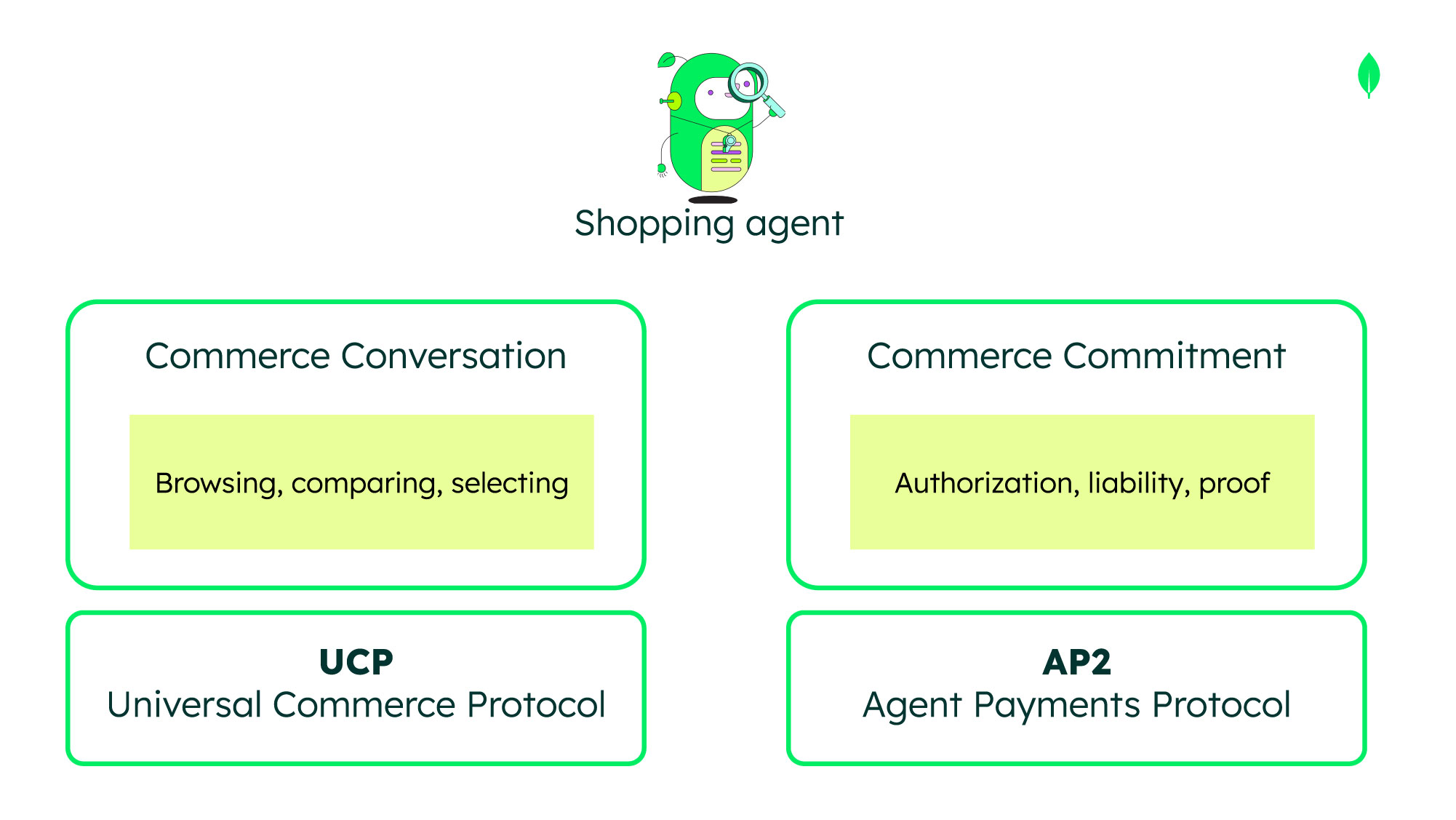
Agentic Commerce stellt den nächsten großen Wendepunkt für digitale Abläufe dar, bei dem Kunden ihre Kaufentscheidungen direkt an autonome Einkaufsagenten delegieren. Drei neue technische Protokolle prägen diese Interaktion: die Agent-zu-Agent-Kommunikation (A2A), das Agent Payments Protocol (AP2) und das Universal Commerce Protocol (UCP).
Jedes Protokoll erfordert ein manipulationssicheres Mandatsregister, um Kundenautorisierungen, das Verhalten der Agenten und die Antworten der Händler zu erfassen. AP2 definiert explizit drei Mandatsmuster: Absichtsmandate (zulässige Aktionen), Warenkorbmandate (gekaufte Artikel) und Zahlungsmandate (Überweisungsparameter). Der zugrunde liegende Datenspeicher muss auf Anwendungsebene nur für Hinzufügungen zugänglich sein, über strukturierte oder semantische Dimensionen abfragbar sein und flexibel genug sein, um neue Dokumentfelder aufzunehmen, wenn sich die Protokolle weiterentwickeln.
Was wird den Agenten überdauern?
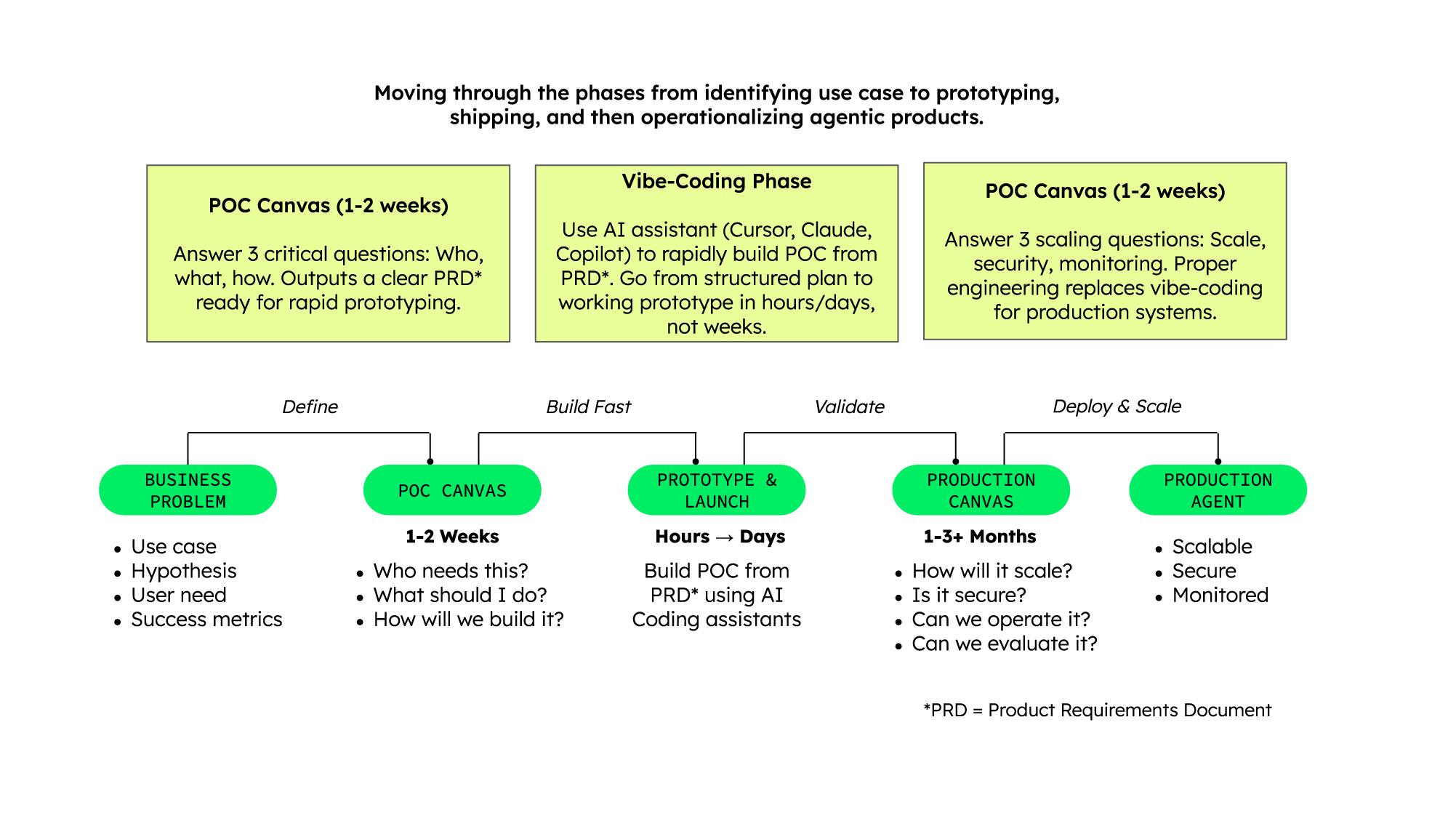
Zu Beginn dieser Ausgabe haben zwei Teams am selben Tag mit demselben KI-Projekt begonnen. Am Ende des Quartals hatte das eine Team das Produkt bereits auf den Markt gebracht. Das andere hatte zwar eine beeindruckende Demo vorzuweisen, aber keinen Weg in die Produktion. Das ist mittlerweile ein vertrautes Bild: Der Agent funktioniert, die Folien beeindrucken, und das Modell verhält sich gerade lange genug so, wie es soll, damit alle Anwesenden daran glauben. Dann kommen die eigentlichen Fragen. Wem gehören die Daten? Kann die Antwort überprüft werden? Was passiert jedoch, wenn der Kunde wartet, die Aufsichtsbehörde zuschaut und das System handeln muss?
Auf diesen Seiten war die Antwort immer dieselbe. McKesson hat die Patientensicherheit nicht durch eine clevere Eingabeaufforderung gewährleistet. LG U+ hat den Live-Kundenservice nicht verbessert, indem es die Bereiche Intelligenz und Betrieb voneinander getrennt hat. Die Finanzinstitute, Hersteller, Einzelhändler und Bauunternehmen in dieser Ausgabe warten nicht auf das perfekte Modell. Sie tun etwas Unauffälligeres und Nachhaltigeres: Sie schaffen die Grundlage, die dafür sorgt, dass künstliche Intelligenz zuverlässig genug wird, um eingesetzt zu werden.
Nicht das Spektakel des Agenten, sondern das Fundament dahinter. Das Gedächtnis, das Bestand hat. Die Berechtigungen, die auf die Aktion folgen. Die operative Wahrheit, die rechtzeitig eintrifft. Der Prüfpfad, der im Nachhinein beweist, was geschehen ist.
Modelle werden ersetzt. Frameworks werden umbenannt. Protokolle werden weiterentwickelt.
Die erfolgreichsten Architekturen werden diejenigen sein, die all diese Veränderungen aufnehmen können, ohne dass das Unternehmen von vorne anfangen muss.
Das Zeitalter der Agenten wird nicht allein von Agenten vorangetrieben werden. Es wird von der Datenschicht vorangetrieben, die dafür sorgt, dass man ihnen vertrauen kann.