


From arcade games and Sonic the Hedgehog to Total War and Football Manager, SEGA is an iconic brand with a 60 year heritage. While the rise of cloud gaming has changed how we play, it hasn’t changed our need for community — and SEGA is tapping into fan data to connect with gamers on a new and deeper level.
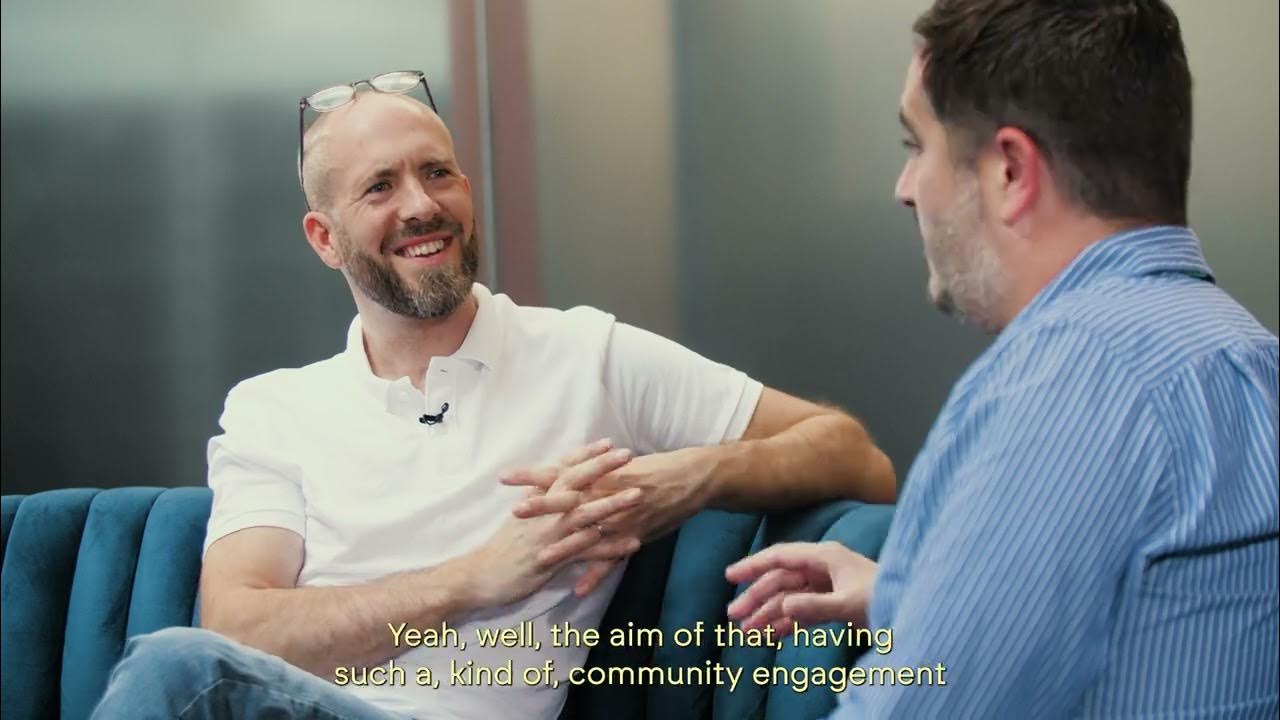
Think real time data for strategizing, forums to share tactics, and collaborating with gaming studios on the next big release. And that’s all from one portal. But SEGA hasn’t always had this level of insight readily available. As Felix Baker, head of data services at SEGA Europe, and the man behind the data transformation explains, “Eight years ago, we had one SQL database and spreadsheets on people’s desks. We didn’t know how, when, or where people were playing our games. We started building a full data pipeline in AWS and have come a very long way since.”
Learning new skills and forging strategic partnerships
As Baker’s team developed the new infrastructure, they realized they needed a more scalable solution than Amazon DynamoDB database for the backend of customer portals.
“We’d seen a presentation on MongoDB Atlas and thought “wow, that looks great; we could use this”, but we had no internal expertise,” he reveals. “The MongoDB team came and built a proof of concept with us. Two weeks later, it was already almost where we were at with Amazon DynamoDB.”
After completing their MongoDB training, the team took full control of Atlas, developing a feature-rich platform that supports the backend of SEGA Europe’s customer portals.
While gamers play, the cloud-native environment captures 25,000 events per second. Data is enriched by translating the player’s IP address into a physical location and enters SEGA’s big data pipeline. Here, it splits into a low latency stream in MongoDB Atlas and an engineering pipeline, which is encrypted in S3 for GDPR.
Meanwhile a Spark stream pulls data into the Delta Lake, where trillions of events are collected. These populate tables that support a variety of use cases, such as data science and analytics, helping the team to reduce churn and keep players engaged for longer.
So, what does that mean for the gamer experience?
Creating an engaged community of gaming enthusiasts
Customer portals are linked to specific games, such as fan-favorite, Football Manager. Gamers can link their profile to their Epic or Steam account and use SEGA’s portal to access exclusive promotions, forums, and share their gaming performance on social media.
Because MongoDB is a low latency, queryable platform, gamers can play a match in Football Manager and go straight into the portal to view statistics in real time. This helps them strategize and improve their gameplay without waiting for dashboards to update.
“Long-term, we hope to roll this experience out across SEGA’s most popular titles to close the loop in terms of customer engagement,” says Baker. “We’re already seeing more active communities and more gaming discussions on social media.”
And in the gaming community, talk inevitably turns to what fans want to see from future releases. To tap into these insights, SEGA Europe is building the Games2Gether platform on MongoDB Atlas. This will allow fans to step behind the scenes and contribute to game development with one of SEGA Europe’s gaming studios, Amplitude.
“Engaging with customers throughout the game development cycle will help us design better titles. When it’s released, people will love it because the game is exactly what they wanted to see,” adds Baker.
Amplitude fans will also be able to log into this portal to track their own gaming performance, connect with peers, and use personalized data to create their own websites and visuals with APIs — another example of how SEGA Europe is using MongoDB to enrich the gamer community.
Learn how to tap into real-time data with MongoDB Atlas.
_1.svg)