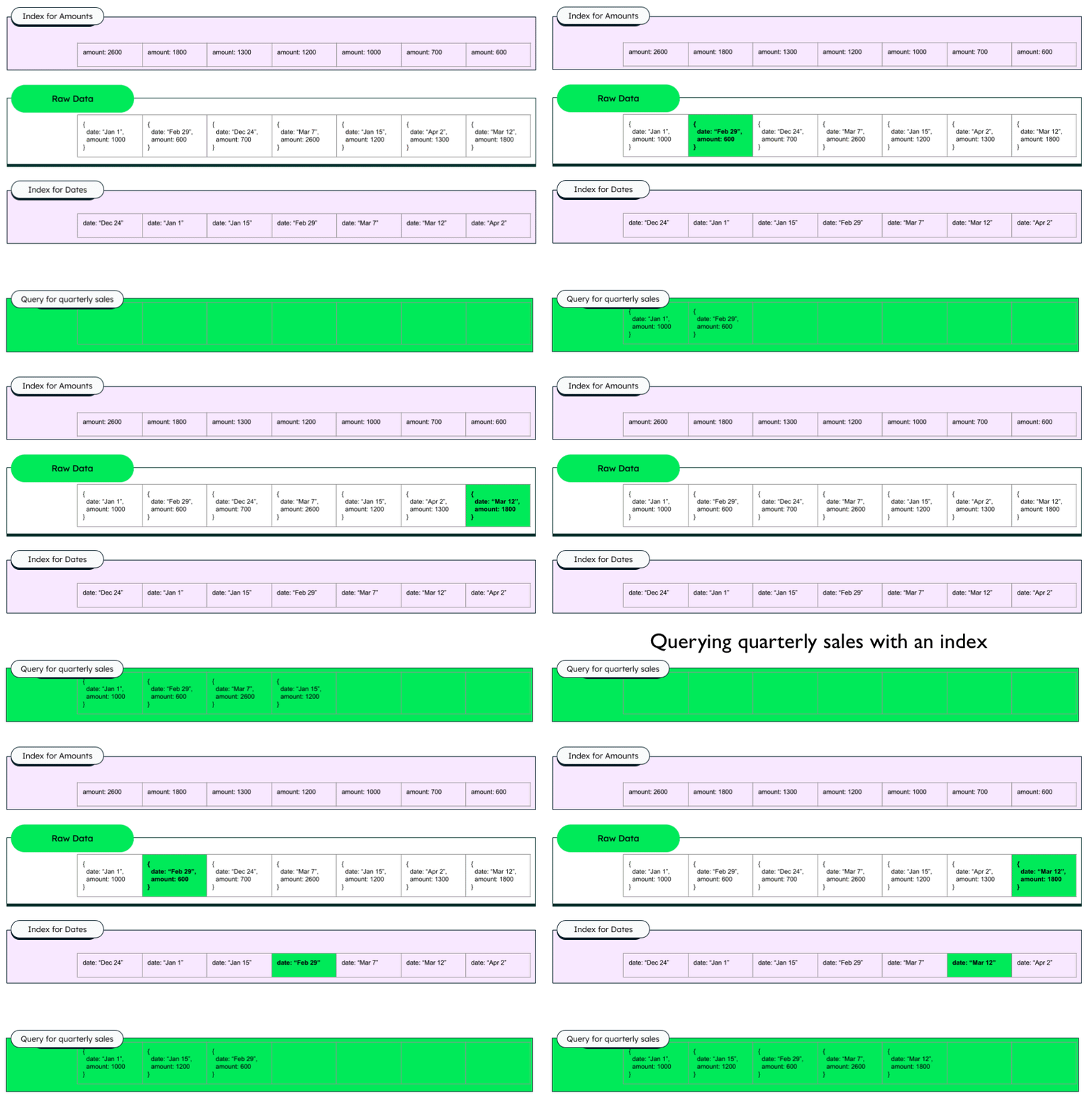
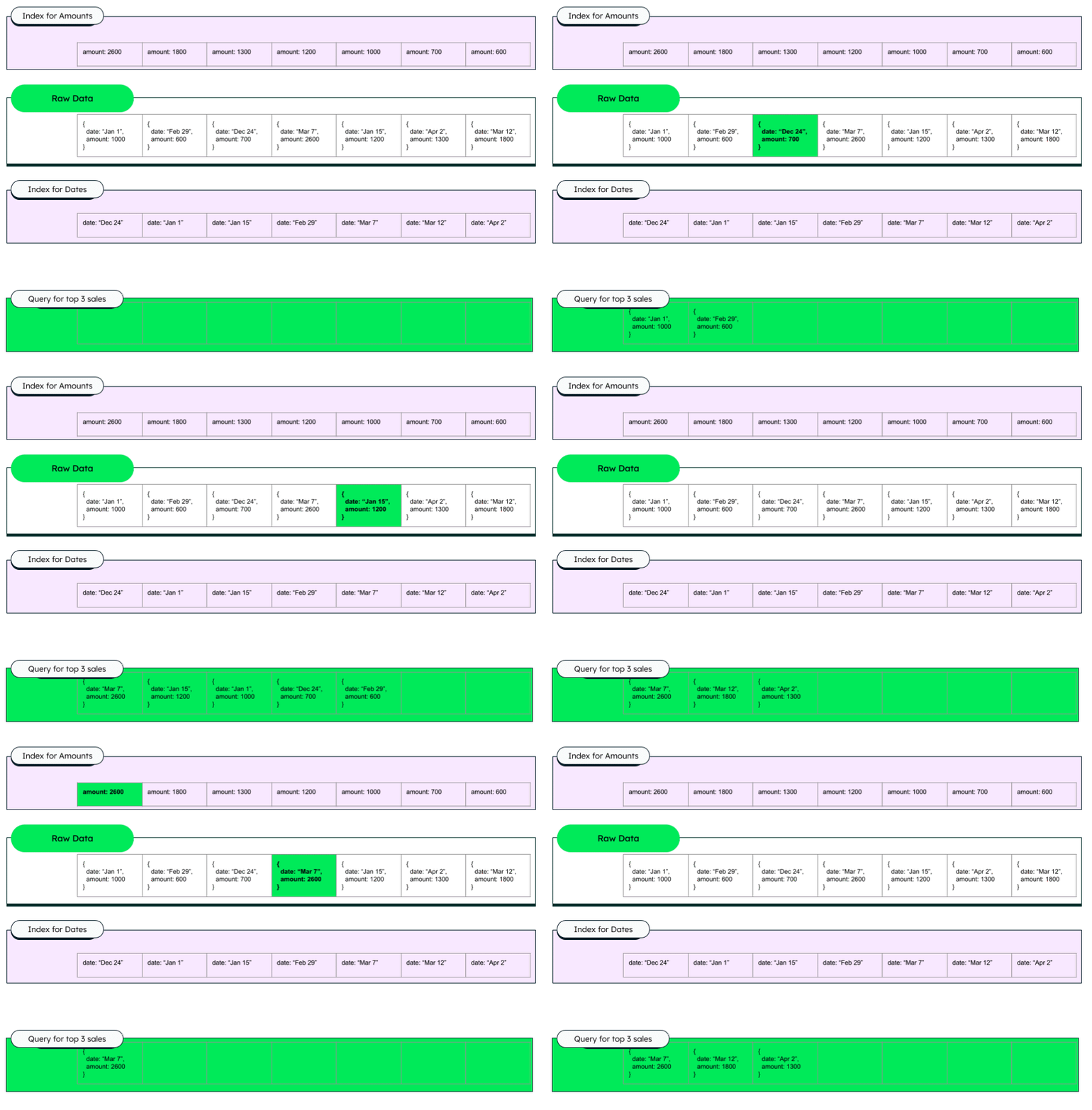
One of the most popular search engines, Google, owns 92% of the search engine market, and 84% of internet users report using Google more than three times per day. This translates to roughly 99,000 searches per second. However, given the sheer amount of data on the internet, how is it possible to know which websites contain what information and how relevant it is to the user's search criteria?
Conversely, when an analyst queries a gargantuan retail database (e.g., Amazon, Kroger, Walmart), waiting hours or days for millions of rows to be searched isn't an option. So, how are these queries completed in seconds?
In both cases, search indexes are used to minimize query processing time and maximize relevant, valuable search results. In this article, we'll discuss what search indexes are and how they work, and we’ll offer tips to improve your search indexing skills.
Table of contents