_Spot_None.svg)

La anatomía oculta de la sobrecarga arquitectónica
Dos empresas ponen en marcha iniciativas de IA idénticas el mismo día, con el mismo equipo de ingenieros, los mismos modelos de lenguaje y los mismos presupuestos. Al final del trimestre, la primera empresa entrega un agente listo para producción, basado firmemente en la verdad operativa en tiempo real, con memoria de sesión estructurada. Dieciocho meses después, la segunda empresa sigue atrapada en un bucle piloto, acosada por alucinaciones, picos en la factura de la nube, desviaciones en los datos y un pipeline que no puede auditar.
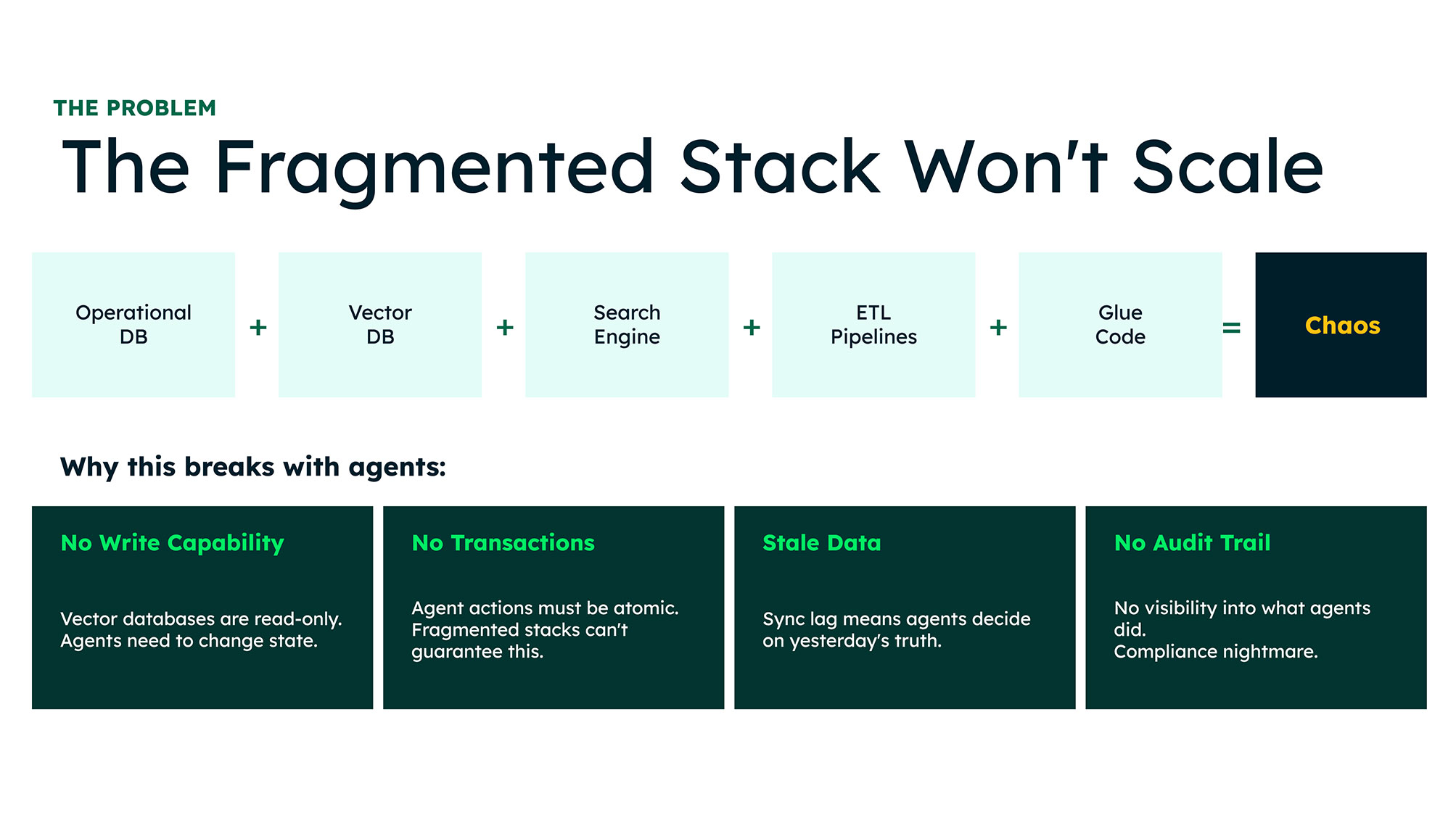
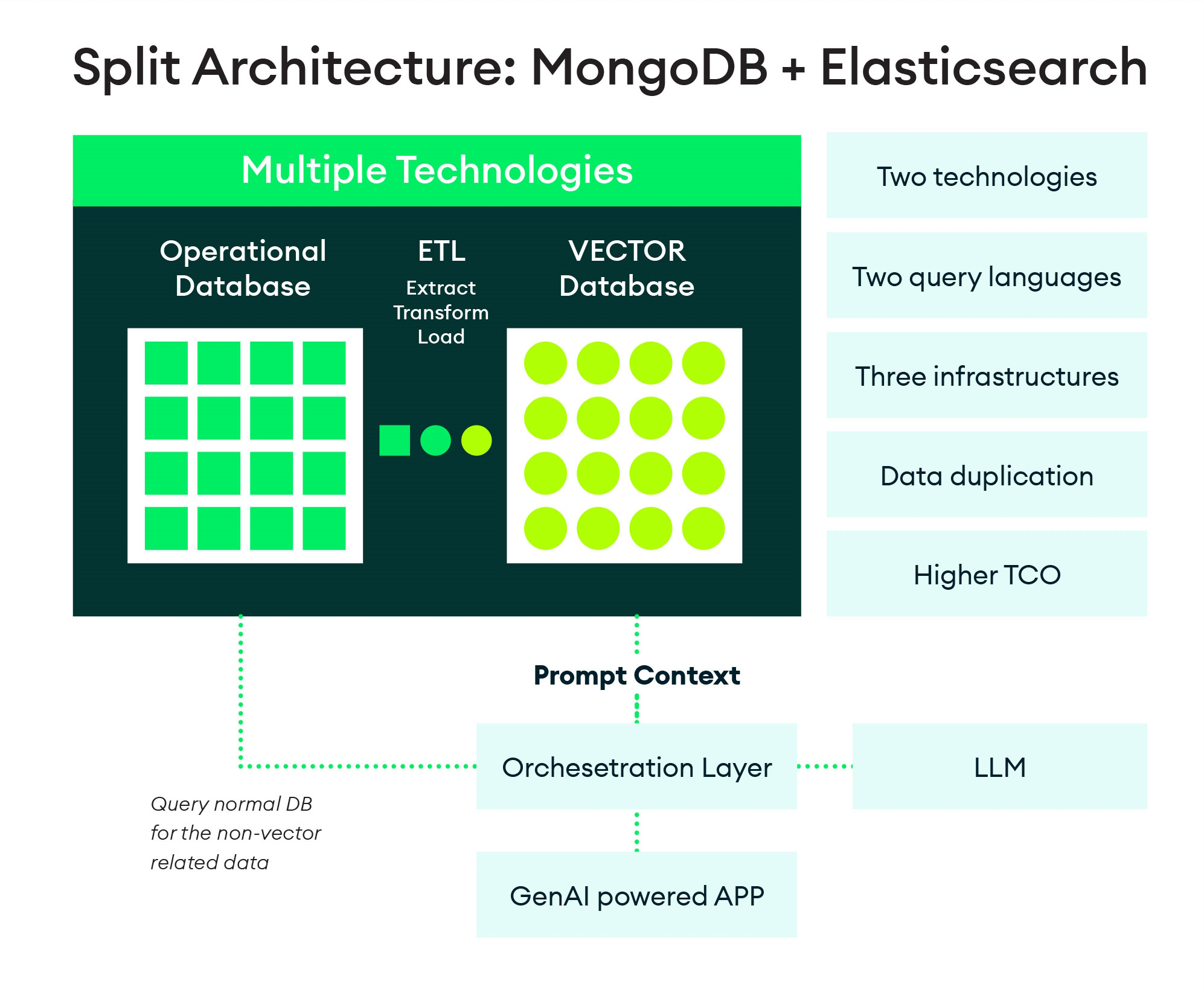
El mismo talento. Los mismos modelos. El mismo presupuesto. La única variable es la arquitectura inicial. Esa brecha ya tiene un nombre. Llámelo la sobrecarga arquitectónica, el peso acumulado que una pila fragmentada impone a todos los equipos que intentan implementar la IA sobre ella.
Una nueva investigación de IDC, encargada por MongoDB y realizada en 1.400 organizaciones en ocho mercados de Asia-Pacífico, indica que el 43 % de los equipos encuentran que las arquitecturas existentes son un obstáculo importante. Además, IDC predice que los equipos que no aborden la deuda técnica se enfrentarán a una tasa de fracaso de proyectos de IA un 50 % más alta para 2027.
"La parte más difícil de operar agentes en producción no es el modelo. Es la capa de datos que está debajo."
— CJ Desai, presidente y CEO de MongoDB
Según Deloitte, el 89 % de las empresas todavía están atrapadas en bucles piloto. Solo el 11 % ejecuta sistemas agentivos en producción. El cuello de botella rara vez es el modelo de IA en sí. Se trata de medidas de seguridad añadidas a posteriori, registros de auditoría no planificados y datos en tiempo real que llegan medio paso demasiado tarde.
_Spot_None-1.svg)