


INTRODUCTION
Global expansion
Seoul-based was established in 2011 after creating the highly successful BAEMIN food delivery app, which had reached No. 1 on the App Store in South Korea.
To implement its vision of enabling customers to lead happier and more convenient lifestyles, BAEMIN leverages data to ensure accurate, reliable and fast delivery. For example, once an order is placed, a recommendation system selects the optimal rider and determines the fastest route.
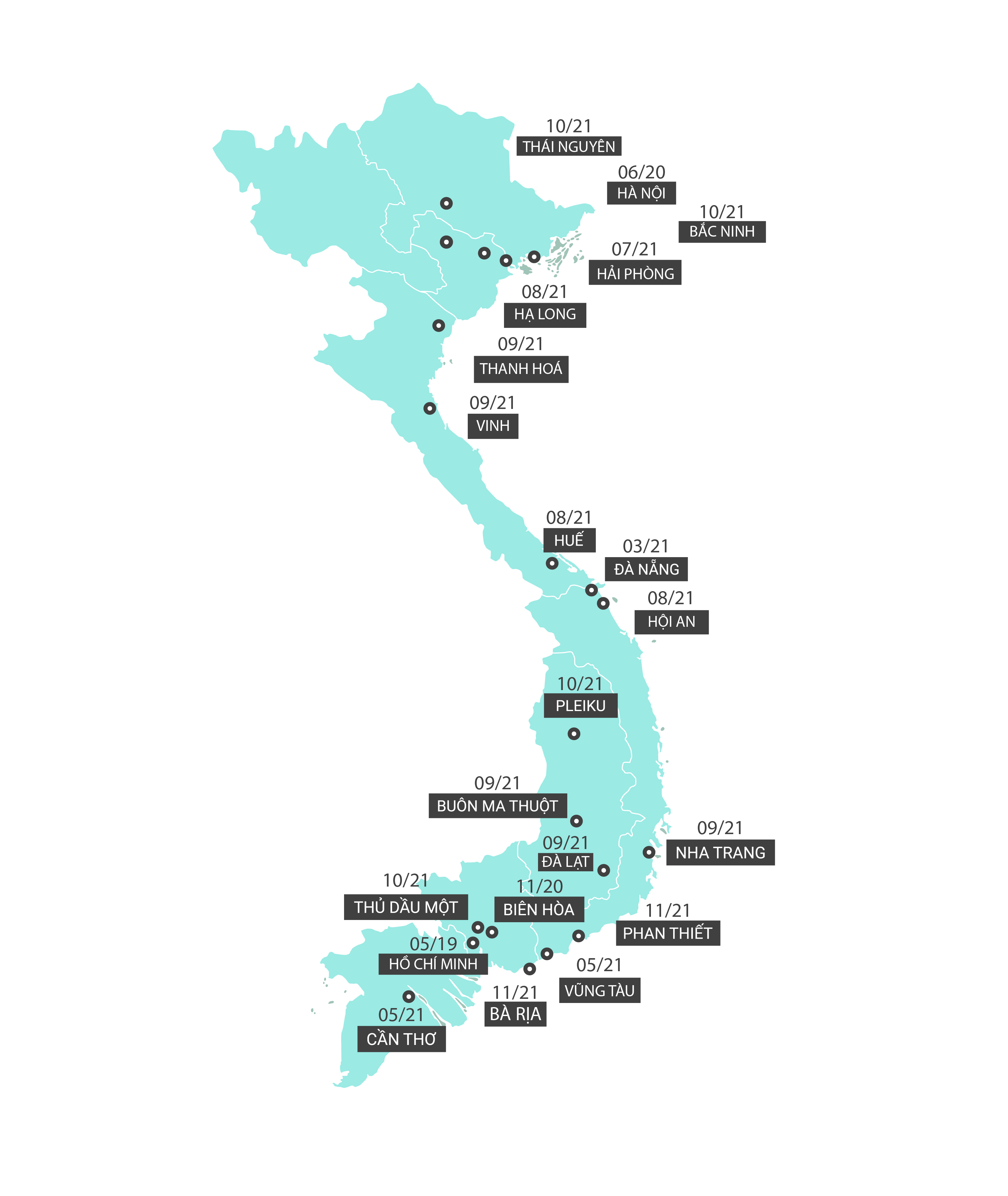
Over the decade, the business became the top food delivery platform in Korea and Woowa Brothers saw an opportunity to expand globally. After expanding to Vietnam as the first overseas market, they achieved significant growth and later entered a partnership agreement with Delivery Hero - a world leader who provides services in more than 50 countries in 2021.
Woowa Brothers in Korea was already an established MongoDB user which paved the way for Woowa Vietnam to adopt MongoDB Atlas to support speed to market, scaling and resilience.
THE CHALLENGE
How to scale rapidly in a new market and adapt to changing pandemic regulations
Woowa Brothers Vietnam introduced the BAEMIN application to local users in May 2019 with the ambition to become the leading food technology company, creating and nurturing the food ecosystem in Vietnam.
The existing infrastructure for the Korean market had been in development for 10 years, and it supported a range of services, including grocery deliveries and restaurant supply. This would have been excessive and too complex for what was needed for the Vietnam venture, so a new platform was built from scratch.
The first version of BAEMIN was developed within six months and needed to enable fast, reliable and efficient food delivery to satisfy new customers in the competitive food delivery market. At the time, it also wasn’t clear how the business would grow and change, so flexibility in the data model was important.
BAEMIN’s seven-person tech team needed to focus on the essential task of developing new features and fixing bugs, and didn't have the resources to set up and operate the database system on-premise.
Another factor that needed to be considered was that food delivery services are notoriously spiky when it comes to online traffic (around mealtimes and weekends, there is a huge amount of traffic, but at other times very little) so the platform required a way to easily handle scaling between peak demand times efficiently.



_1.svg)