

INTRODUCTION
Helping relieve the squeeze on retail
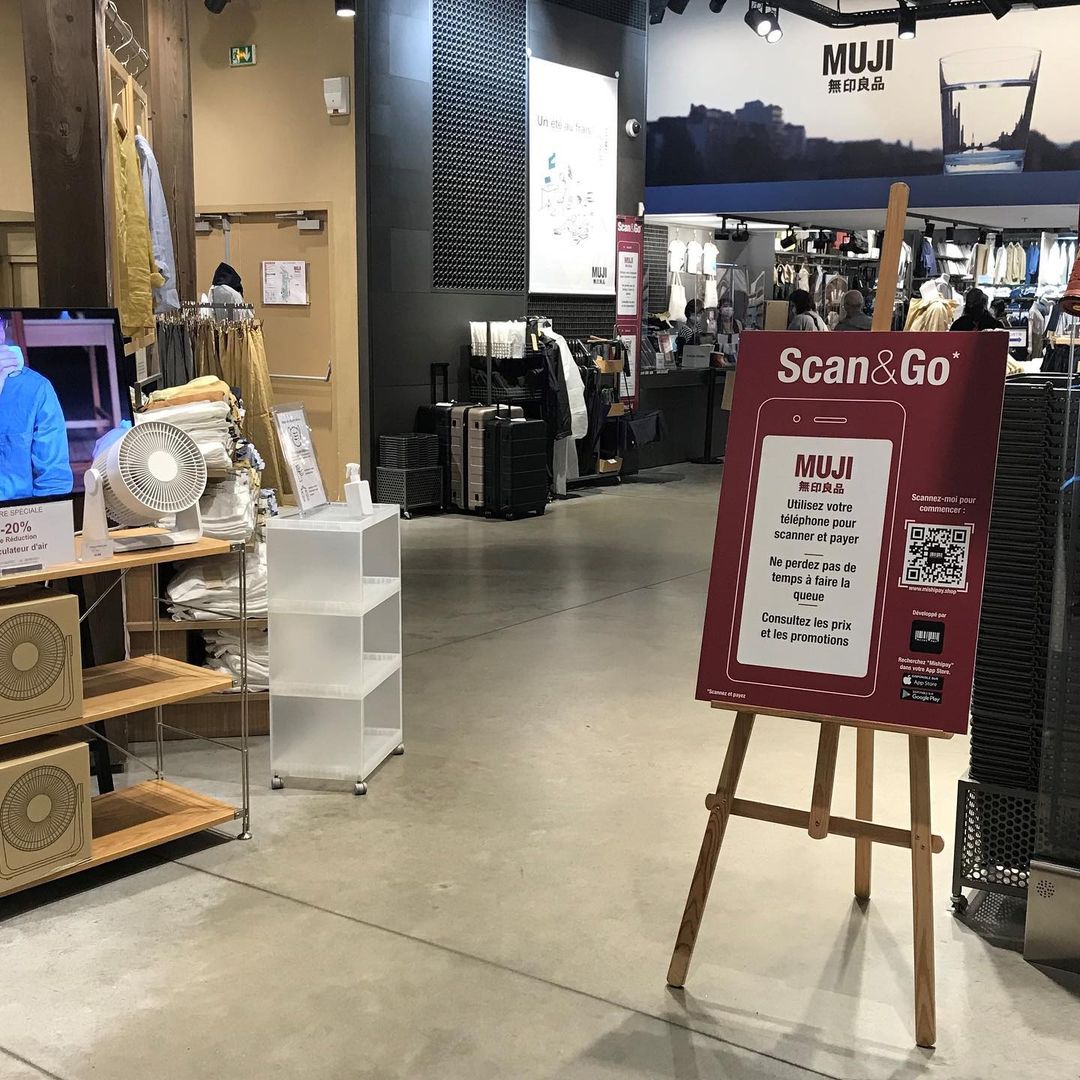
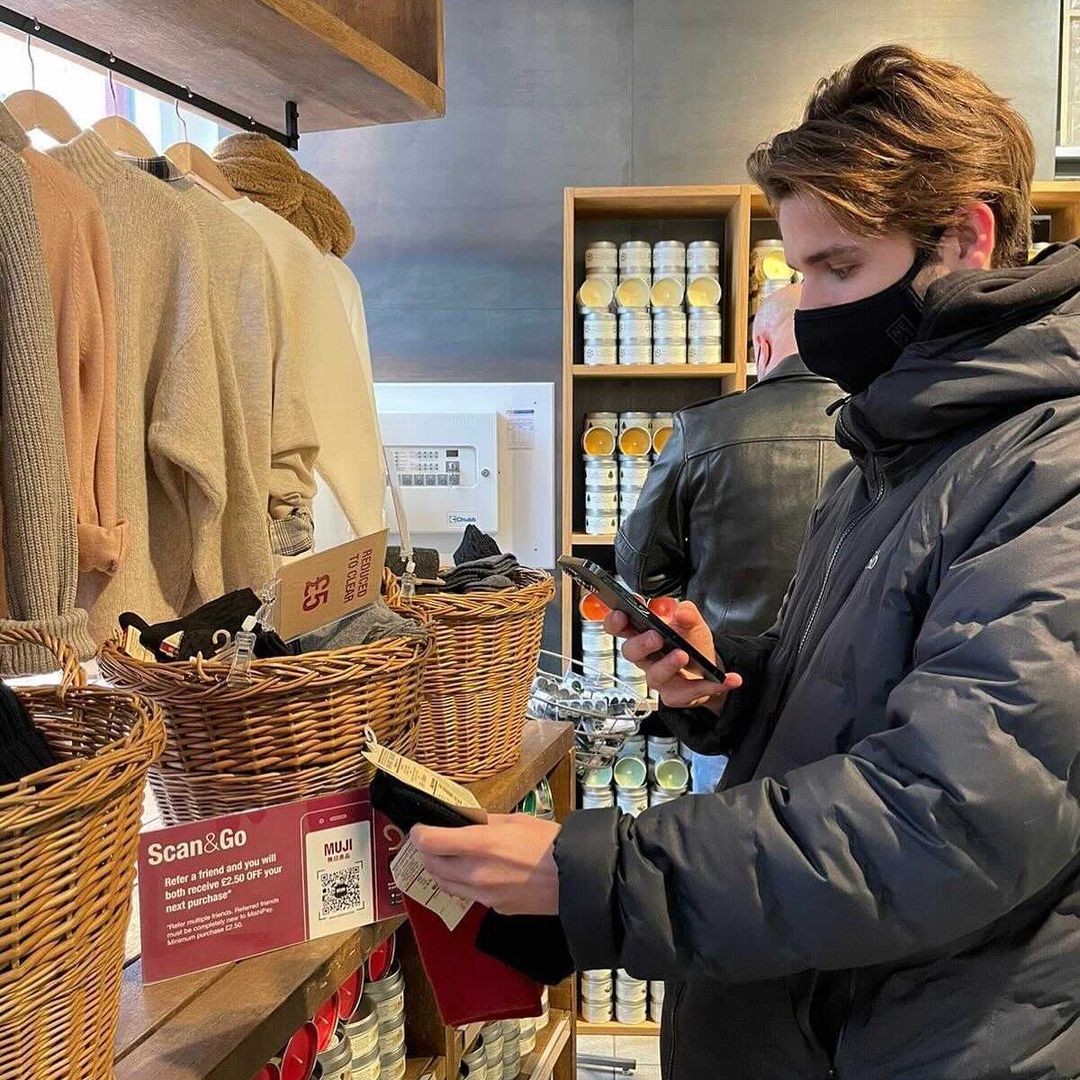
Physical retail is facing an unprecedented triple squeeze: staff costs are up, shoppers are increasingly comfortable online, and the consumer spending power is down. MishiPay thinks there can be a better way. The UK start-up has created an app to allow customers to self-scan and pay for goods. This promises to streamline the shopping experience, reduce the retailer’s operational costs and create new forms of engagement. MongoDB Atlas is the glue that holds the critical database ecosystem together.
THE CHALLENGE
Transforming the shopper experience
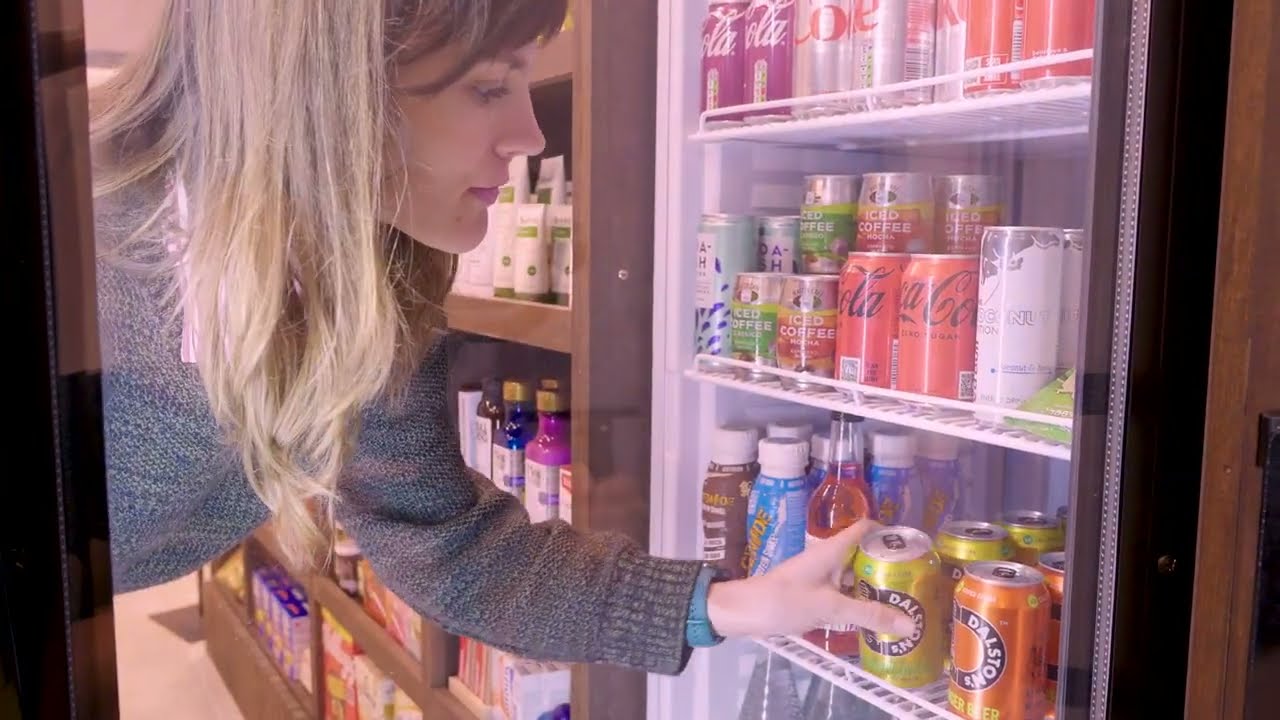
Inspiration can arrive at the most unexpected of moments. Having spent 20 minutes queuing to buy a single can of Coke from a supermarket chain, Mustafa Khanwala was convinced there had to be a better way to pay in store. Within months he’d launched MishiPay, an app that allows shoppers to scan and pay for items without the need for tills or self-service check-outs. Five years on, MishiPay could be set to change the face of global retail.
Its rise has been phenomenal. Today, MishiPay is in use in 14 countries with more than 30 leading retail brands. It promises to not only cut queueing times, but reduce operational costs for retailers and raise spending levels. One retailer reports MishiPay users returned to its stores 33% more often than non-users and spent an average of 14% more. These are eye-catching figures for retailers facing a squeeze on staff costs and consumer spending.
“We see that, once you’ve used the MishiPay app three times, it becomes your primary purchasing channel,” says Khanwala, Founder and CEO of the UK-based start-up. “You tend not to use the checkout queue. Some of our customers are now reporting 38% of sales through self-scanning. That is revolutionary.”
The challenge for MishiPay is to keep pace with this generational growth opportunity. To maintain a leadership position in this emerging market it needs its systems to scale, while being able to continue to refine its service to retailers. The app needs to be available, glitch-free, 24/7.
“We currently have more than 30 million items listed, with more than 7,500 promotion codes, all of which need to be integrated in real-time,” Khanwala explains. “Once the transaction is complete, we need to transfer the funds directly to the retail, update the inventory, reconcile the finance…it can be hugely complex. For a growing business we don’t have the resources to engineer all of this.”
_1.svg)