ユースケースと要件
すべての技術ソリューションと同様に、ユースケースと要件を明確に定義することが重要です。具体的な質問としては、次のようなものがあります。どのような問題を解決しようとしていますか?どのようなデータ(例:データ型、ボリューム)が収集されますか?データはどのように使用されますか(例:リアルタイムで必要か、事後分析か)?成功はどのように測定されますか(例:成功のメトリクスは何ですか)?
スケーラビリティ
潜在的な IoT ソリューションが、実際のデータ量や使用量だけでなく、IoT デバイスの数や使用されるデバイスの種類、さらには使用されるアプリケーションや実施される分析の複雑さなど、将来の成長にどのように対応するかを考慮します。
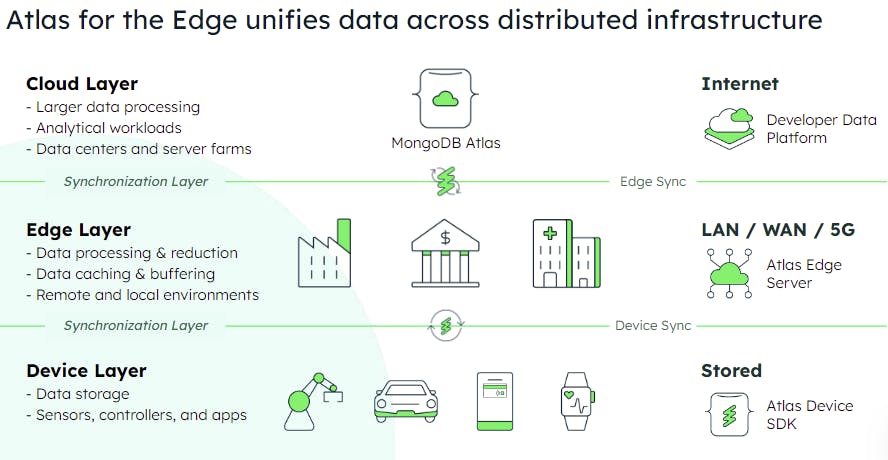
- 例:Atlas for the Edge の場合、組織は一対多の同期によって操作を容易に増やすことができ、分散されたシステム内の複数のロケーションにわたって一貫したアップデートを確保できます。
相互運用性
既存のシステム、デバイス、プロトコルは、潜在的な新しいIoTソリューションとどのように連携し、そのソリューションはサードパーティのデータ交換をどのように取り扱いますか?
- 例:MongoDB Atlas for the Edge データは、他の主要なクラウドプロバイダー、コンサルタント、およびシステムインテグレーターと統合されたプラットフォームで同期されるため、Atlas for the Edge は どこでも実行可能になります。
信頼性と回復力
潜在的なIoTソリューションに関係するIoTシステムとデータの重要性を考慮してください。
- IoT ソリューションの機能は運用上必須でしょうか?
- このソリューションが利用できない場合、収益、顧客、ブランドへの影響はどうなりますか?
- どの程度のダウンタイムであれば許容できるリスクでしょうか?
- どの程度の冗長性、フェイルオーバー、障害復旧機能が必要ですか?
業界によっては、リアルタイムで実行される規制監査や、遅延させることができないコンプライアンス監査も、重要な検討事項になる可能性があります。
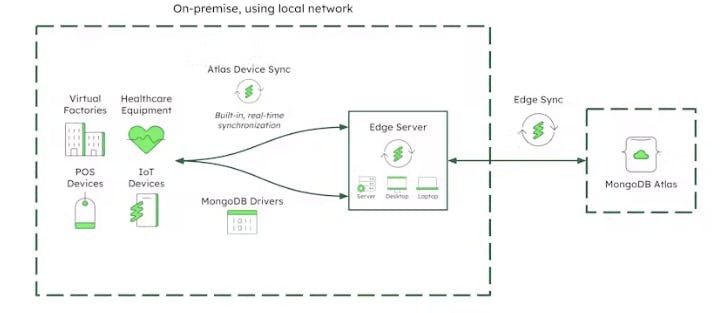
- 例:Atlas for the Edge の Edge Server はオンプレミスで実行され、ローカルデバイス間の同期と、Edge Server と Atlas 間の双方向同期を処理します。つまり、Edge クライアントは、中央データベースから切断されている場合でも、重要なデータを個別に同期してアクセスできます。さらに、接続されたインフラストラクチャ内のアプリケーションとデバイスは、接続が断続的であっても、シームレスに機能し続けます。
展開と継続的なマネジメントの容易さ
組織内の内部 IT スキルセットを評価し、それぞれの潜在的な IoT ソリューションに必要な展開および進行中のマネジメントスキルのレベルを判断します。
必要な人材を確保して社内で構築する場合と、最初にアウトソーシングする場合(市場リーダー対キャッチアップなど)、さらに展開後の継続的な社内マネジメントを行う場合の機会コストはどのようになりますか?
社内に必要なスキルセットがない場合(例:給与コストが高い、需要の高いスキルセットを持つ人材が不足している場合)、サービスとしてのソフトウェア(SaaS)またはすぐに利用できるプラットフォームのサブスクリプションの方が合理的でしょうか?
これらの質問に対する回答は、市場ポジション、戦略目標、ベンチの強さによって大きく異なるため、各組織ごとに異なります。
- 例:MongoDB Atlas では、常時オンのセキュリティからポイントインタイムリカバリまで、大規模なパフォーマンスを必要とするインフラストラクチャの操作を管理できます。 Atlas UI から配置する開発者は、ニーズに合わせて構成を調整できるように、2つのオンボーディングフローから選択できます。これには、MongoDB ドライバーまたはクライアントを使用してエッジサーバーを接続する開発者と、Device Sync を介した Edge Server への接続をサポートする開発者の両方が含まれます。
ビジネスの観点からは、潜在的なユーザーベースが技術的な実力やプログラミング言語の習熟度においてどの程度高度であるかも考慮することが重要です。基本的で直感的なユーザーインターフェース(ダッシュボードや使いやすい可視化ツールが必要)が不可欠でしょうか?それともユーザーベースはデータ分析時に Python などのプログラミング言語を使用するのが一般的な実力レベルですか?
データマネジメントとアナリティクス
IoT ソリューションがデータマネジメント、ストレージ、処理、アナリティクスをどのように取り扱うかを検討します。IoT データに基づいて実行可能な洞察を導き出し、情報に基づいた意思決定を行い、プロセスを最適化するために、データストレージおよびアナリティクスコンポーネントのスケーラビリティ、パフォーマンス、柔軟性を評価します。
- 例:MongoDB の Atlas データプラットフォームは、リアルタイムアナリティクスや全文検索などの高度な機能にアクセスできる統合データレイヤーを提供します。さらに、Atlas for the Edge は、トリガー、検索、チャートなどの高度な機能に加えて、分散されたアーキテクチャにリアルタイムで信頼性の高い唯一の信頼できる情報源を提供します。
セキュリティとプライバシー
セキュリティは、IoT ソリューションにおいて、データ、デバイス、ネットワークをサイバー脅威、不正アクセス、プライバシー侵害から保護するための重要な考慮事項です。暗号化、認証、アクセス制御、セキュアなブートストラップ、ファームウェアのアップデートを含む、ソリューションに実装されているセキュリティ機能とプロトコルを評価します。
- 例:MongoDB の Atlas for the Edge は、すぐに使用できる暗号化、組み込みの ID およびアクセスマネジメント、きめ細かなロールベースのアクセスを備えた幅広いソフトウェア開発キット(SDK)を提供し、セキュリティと PCI/SOC コンプライアンスを確保します。