


INTRODUCTION
The path to cloud-native modernization
Founded in 1858, Helvetia is one of the largest Swiss insurance companies, serving over 7 million personal and corporate customers across Europe.
With its "Helvetia 20.25" strategy, the company aims to be the best partner for financial security and to set new standards for customer convenience and access. One aspect of achieving this goal is a multi-year transformation of its IT systems. Central to the transformation is unlocking multiple data silos constrained within core backend systems and federating them across cloud-native microservices running on Amazon Web Services (AWS). The Helvetia Container Platform provides the foundation for the company’s developers to build engaging new customer experiences while improving business agility and time to market.
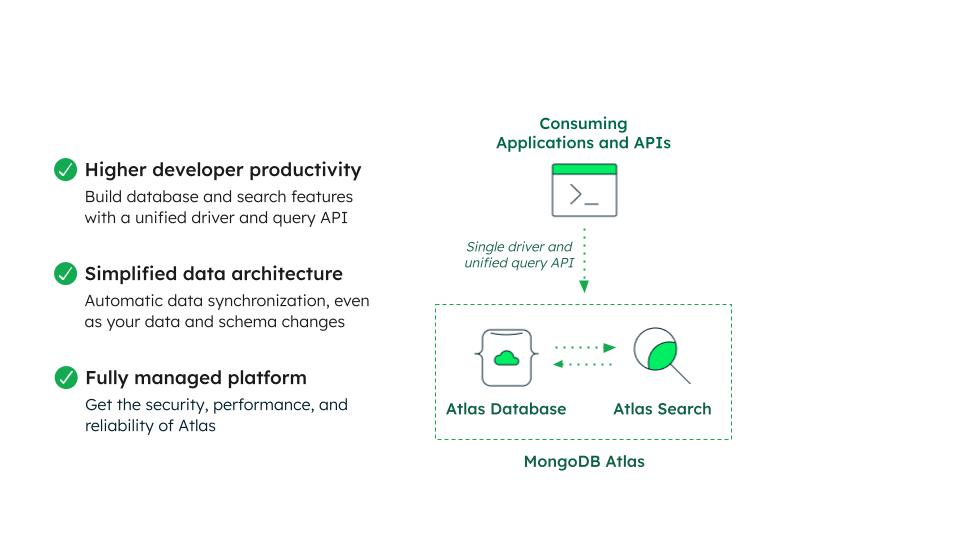
The company chose MongoDB Atlas with unified database and application search to underpin the company’s Container Platform. Today, MongoDB Atlas powers over 30 different services with many more in development.
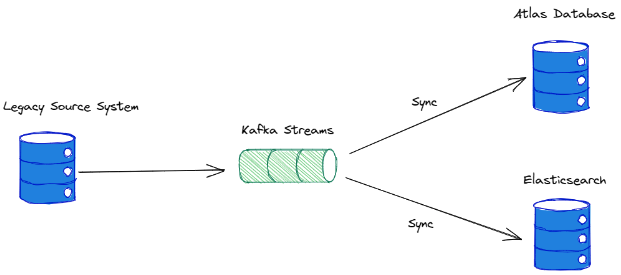
During its transformation journey, Helvetia migrated from Amazon DocumentDB to MongoDB Atlas, and is replacing Elasticsearch with MongoDB Atlas Search. The result: new application features are released 90%+ faster.
THEIR CHALLENGE
Technology limitations and application complexity
The Helvetia Container Platform is built around an event-driven architecture with Apache Kafka streaming all data changes to and from the core backend business systems. As shown in Figure 1, each development team creates its own data product that is exposed by APIs to consuming front-end services. By following a data mesh design pattern, each team is responsible for its own data products, governing and sharing them with new services that need to work across previously siloed customer and policy data.
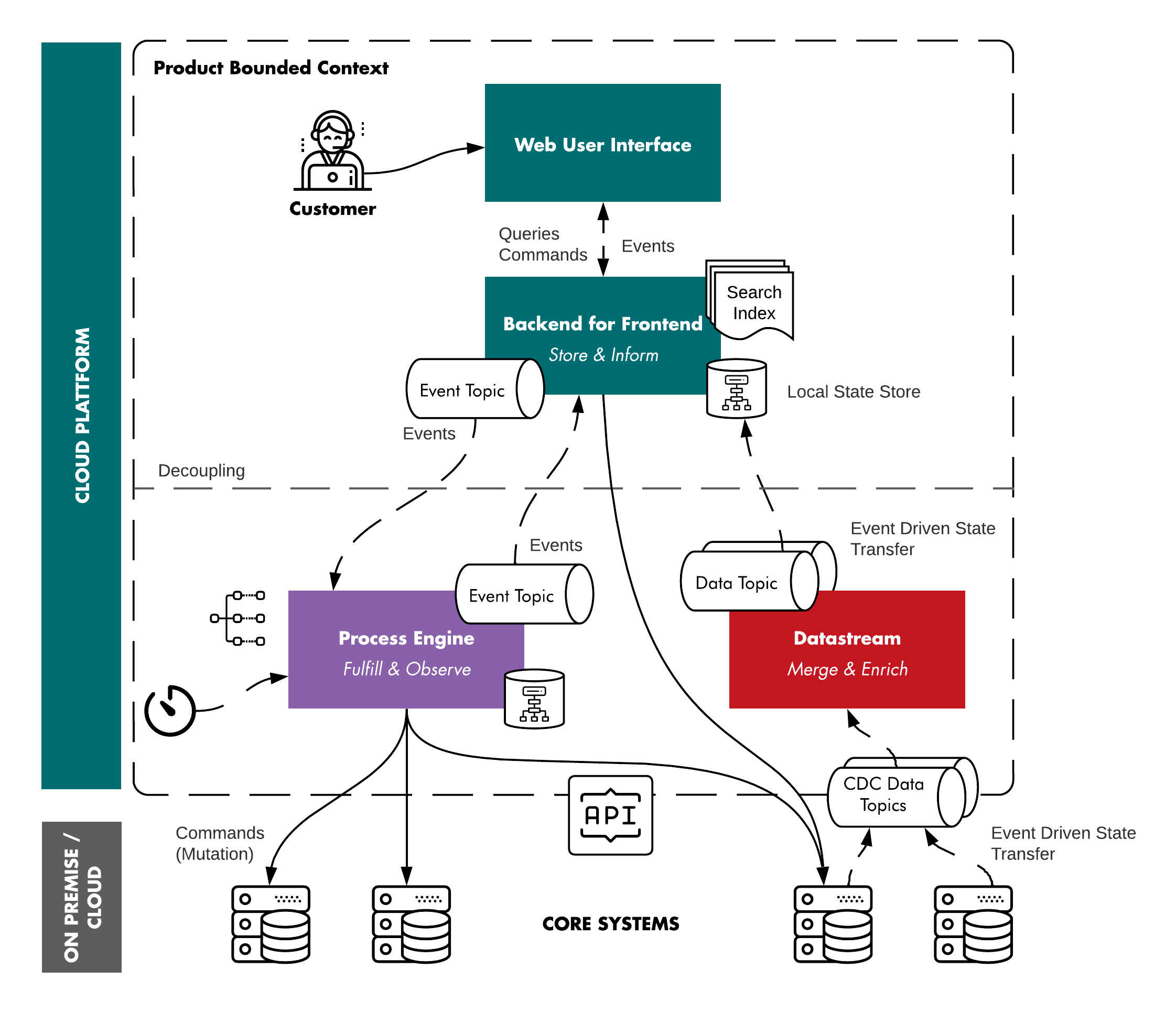
One of the Container Platform’s key services provides the Helvetia sales teams with fast and reliable access to customer data. The service needs to deliver a single, 360-degree real time view across all customer touchpoints and insurance products. This includes policy details, quotations, account history, and customer service information, all exposed to users via fast and reliable full-text search.
From the outset of the project, it was clear to Helvetia’s solution architects that a document database would be a better technology choice than a traditional relational database.

_1.svg)