Unified Commerce mit intelligenter Suche
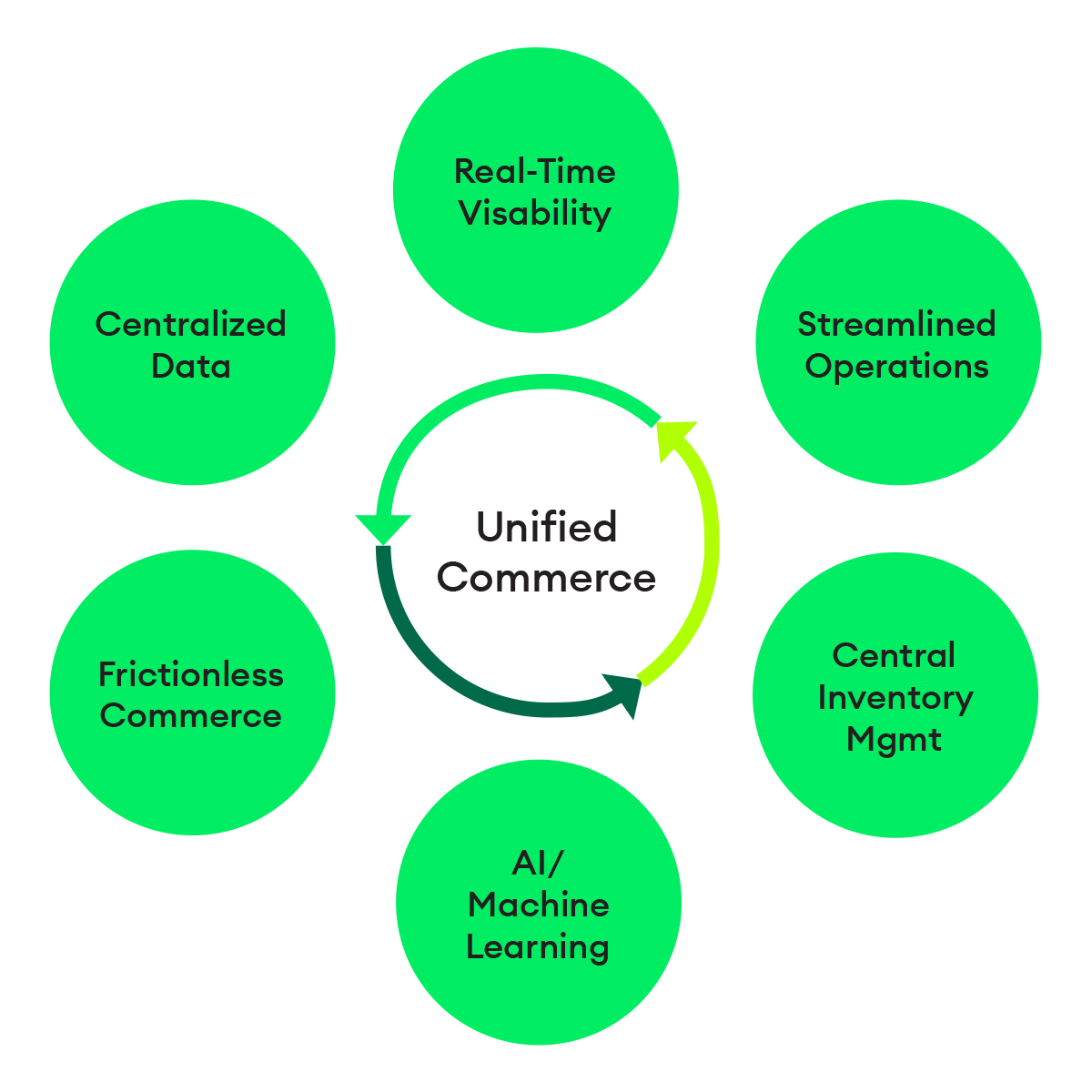
Einzelhandelsteams haben den Großteil des letzten Jahrzehnts damit verbracht, ein nahtloses Erlebnis über Web-Apps, mobile Portale, physische Filialen und Support-Callcenter zu bieten. Die Daten waren immer da, aber sie waren in isolierten Altsystem-Silos gefangen. Das Ergebnis war fragmentierte betriebliche Reibung: Unterschiedliche Online- und Filialbestandszahlen, widersprüchliche Produktempfehlungen und nicht übereinstimmende Suchanfragen.
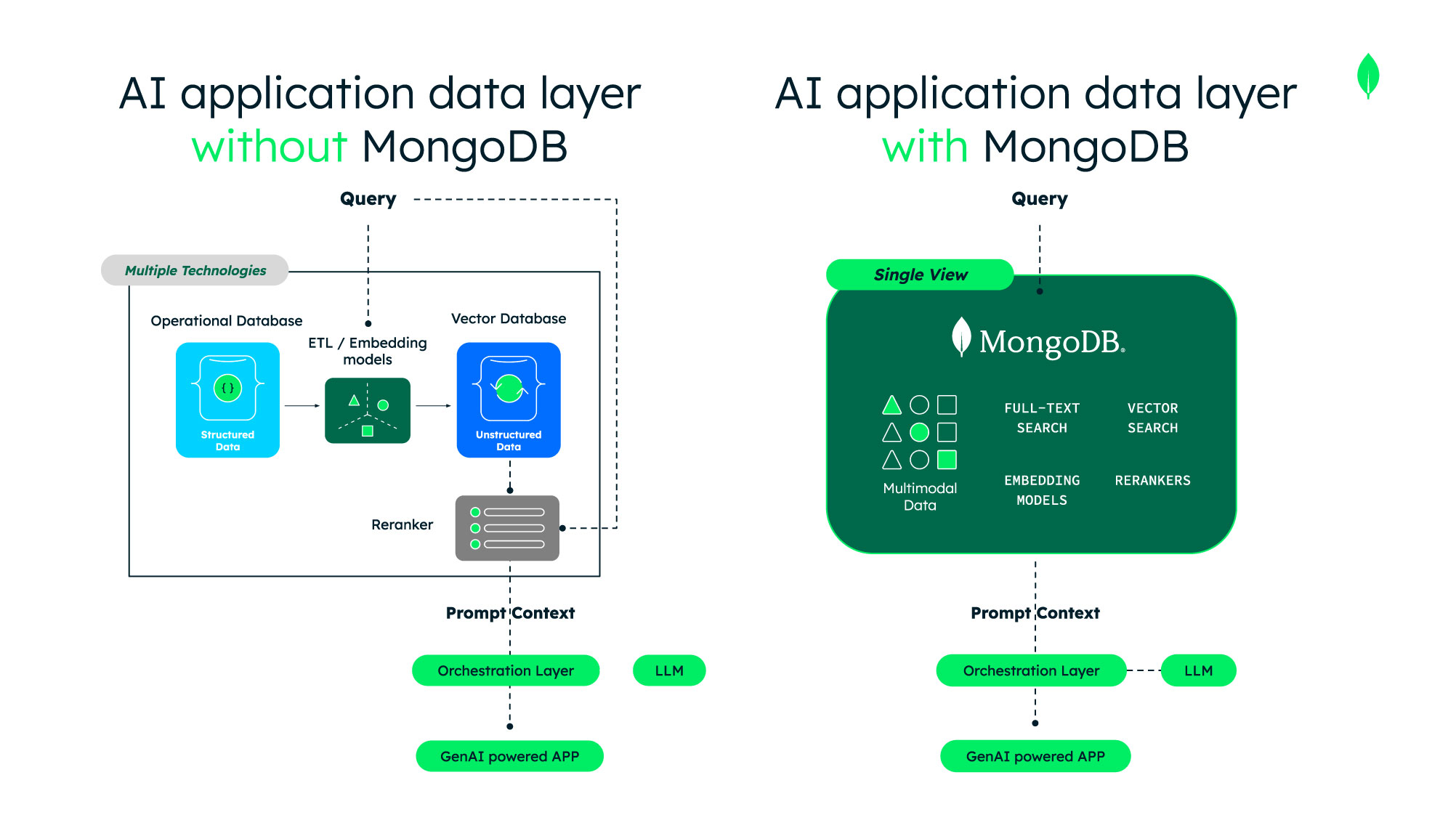
Unified commerce behebt diese oberflächlichen Herausforderungen, indem es die darunterliegenden Daten auf einer einzigen Plattform konsolidiert. Da Produktkataloge, Lagerbestände, Preise, Bestellhistorien und Personalisierungsdaten in einem einzigen Datenspeicher zusammengefasst sind, können Suchalgorithmen lexikalische Präzision, semantische Bedeutung und georäumliche Signale nahtlos miteinander kombinieren. Die exakt gleiche Abfrage, die Produkte nach Relevanz sortiert, kann den nächstgelegenen Laden mit verfügbarem Lagerbestand anzeigen.
Sobald die Daten einheitlich sind, nutzt die kanalübergreifende Personalisierung die Echtzeithistorie, ohne auf nächtliche ETL-Batchjobs zu warten. Am wichtigsten ist jedoch, dass die gleiche Datenebene, die den digitalen Shop antreibt, auch die Grundlage für den KI-gestützten Kundendienstagenten bildet. Dies gewährleistet eine Single Source of Truth über alle Kanäle hinweg.
Bekämpfung von Finanzkriminalität mit maschineller Geschwindigkeit
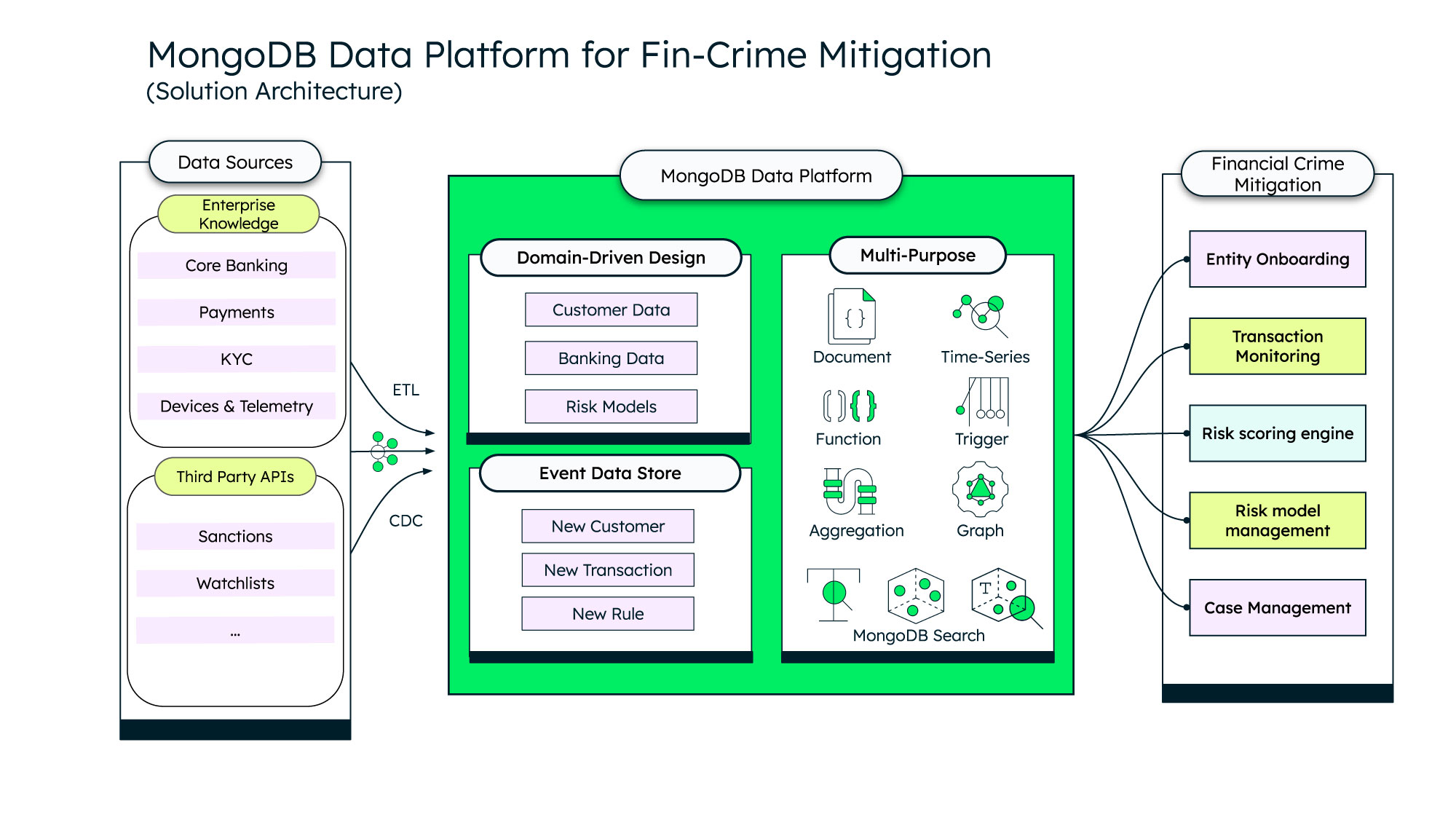
Die Aufklärung von Finanzkriminalität befindet sich an der Schnittstelle zweier komplexer Datenprobleme. Die erste Kategorie umfasst strukturierte Daten: Transaktionsdatensätze, Kontenhierarchien, KYC-Felder (Know Your Customer) und Sanktionslisten der Aufsichtsbehörden. Die zweite Kategorie umfasst unstrukturierte Daten: Ermittler-Fallnotizen, Audiotranskripte und rechtliche Dokumente. Seit Jahrzehnten haben Banken beide Teile in getrennten Systemen isoliert und sie auf der Alarmebene abgeglichen. Die Ermittler zahlen den Preis: 90 % der herkömmlichen Warnmeldungen sind Fehlalarme, die die Compliance-Teams überfordern, während echte Bedrohungen unentdeckt bleiben.
Angesichts der Tatsache, dass weltweite Finanzinstitute jährlich über 2 Billionen US-Dollar durch Finanzkriminalität verlieren – eine Zahl, die bis 2030 voraussichtlich auf 6 Billionen US-Dollar ansteigen wird – ist die Fragmentierung ein erhebliches Risiko. Dadurch erkennen Plattformen Bedrohungen langsamer, lassen sich schwerer prüfen und sind im Betrieb teurer. Durch die Zusammenführung strukturierter Datensätze mit unstrukturierten Dokumenten unter strengen Zugriffskontrollen auf Feldebene können Systeme komplexe Muster sofort erkennen.
Intelligente Anwendungen für den Kfz-Kundendienst
Eine ähnliche Herausforderung besteht in Kfz-Werkstätten, wo Techniker bis zu 30 % ihrer Zeit mit der Suche nach Reparaturinformationen verbringen, anstatt Fahrzeuge zu reparieren. Darüber hinaus machen „no fault found“ (NFF) Ereignisse – bei denen eine funktionierende Komponente ersetzt wird, weil die Diagnosen nicht schlüssig waren – fast 30 % der globalen Garantiekosten aus.
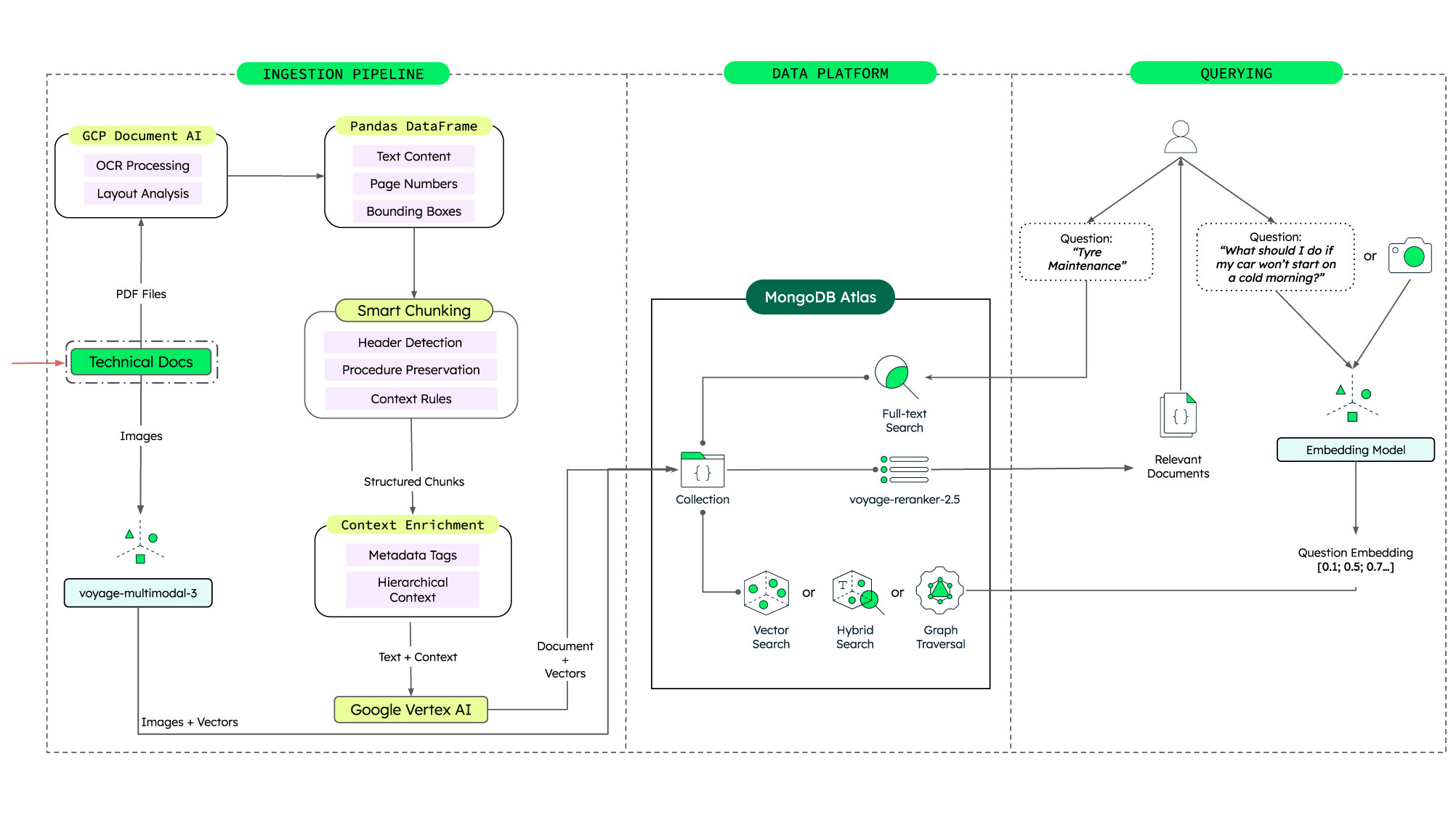
Sobald die technischen Merkblätter per OCR verarbeitet und mithilfe multimodaler Modelle in MongoDB Atlas eingebettet wurden, kann ein Techniker ein Symptom beschreiben oder ein Foto von einem korrodierten Stecker machen. Der Agent verwendet Vektorsuche, um den korrekten Handbuchabschnitt zu finden, durchläuft einen verbundenen Fehlerbaum mit $graphLookup und wendet einen Reranker an, um Sicherheitswarnungen anzuzeigen. Dieses einheitliche Backend für Graphen und Vektoren verkürzt die Diagnosezeiten und senkt die Garantiekosten innerhalb eines einzigen Produktzyklus.