


INTRODUZIONE
Gestione intelligente dell'identità e della sicurezza per le aziende
In un mondo ideale, i nostri dispositivi ci riconoscerebbero istantaneamente e ci garantirebbero l'accesso alle nostre app e ai nostri documenti, proteggendo al contempo le nostre informazioni da chiunque altro. Quando le reti erano private e il personale lavorava in ufficio, la sicurezza era relativamente facile da gestire per le organizzazioni. Ma ora, con il passaggio al cloud e l'aumento del lavoro da remoto, la sicurezza e la gestione delle identità sono molto più complesse.
In qualità di leader mondiale nella sicurezza dell'identità, Okta aspira a dare a tutti la libertà di utilizzare in sicurezza qualsiasi tecnologia su qualsiasi dispositivo, il tutto basato sulla propria identità. Con oltre 18.000 clienti a livello globale, Okta ha sviluppato integrazioni per più di 7.000 applicazioni.
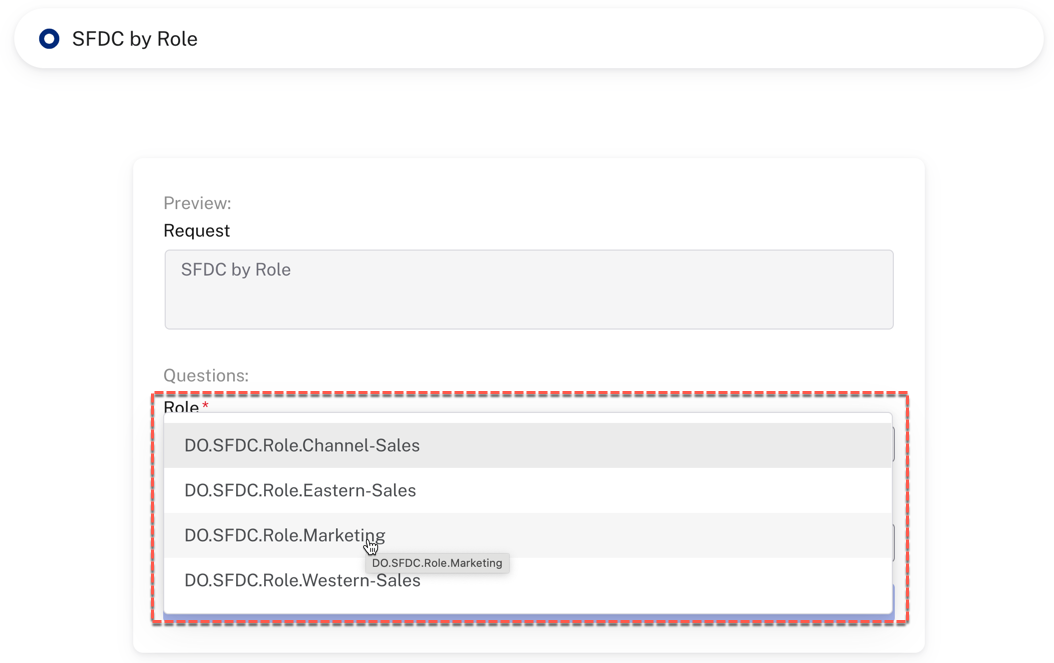
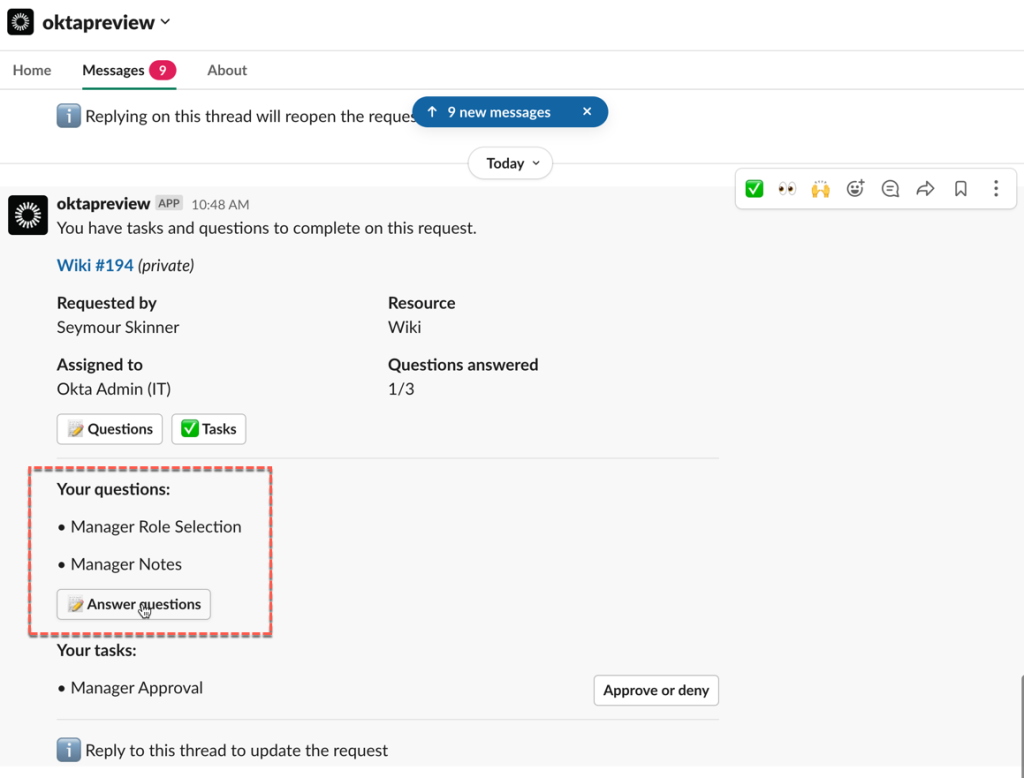
Per far progredire le proprie iniziative di governance e amministrazione delle identità, nel 2021 Okta ha acquisito atSpoke, la piattaforma di operazioni sul posto di lavoro. Rinominata Okta Inbox, rende semplice richiedere l'accesso alle applicazioni. Ad esempio, l'intelligenza artificiale integrata in Okta Inbox consente agli utenti di inserire query in linguaggio naturale per trovare ciò di cui hanno bisogno in modo rapido e semplice.
“Siamo ossessionati dai clienti. È nel nostro DNA, dal senior management al team di sviluppo. Tutto ciò che facciamo è pensato per aiutare i clienti a lavorare più velocemente e a restare al sicuro”, afferma Suchit Agarwal, director of engineering di Okta.
LA SFIDA
Trovare un modo scalabile per alimentare le query in linguaggio naturale
Per creare Okta Inbox, Okta ha scritto codice e creato manualmente modelli di machine learning per alimentare le query in linguaggio naturale. Questi modelli generano embedding vettoriali, una serie di valori ponderati che rilevano gli aspetti qualitativi e quantitativi di un set di dati.
Sebbene l'approccio fosse efficace, necessitava di maggiore scalabilità con la crescita dell'attività e limitava la capacità del team di sperimentare. Ad esempio, durante la ricerca in una tabella vettorializzata di app utilizzando il linguaggio naturale, il modello di machine learning riconoscerebbe che termini come “video conferencing”, “make a video call” o “conference call” sono correlati all'app di comunicazione preferita dall'azienda.
I modelli di apprendimento automatico e gli embedding di Okta erano gestiti e mantenuti su un cluster Kubernetes dedicato. Tuttavia, i vettori devono essere archiviati in un database vettoriale dedicato — il che rappresenta un costo e una soluzione aggiuntiva da mantenere — oppure è necessario installare un motore di ricerca aggiuntivo con funzionalità di ricerca vettoriale. L'adattamento dell'ambiente per aumentare le prestazioni comporterebbe costi aggiuntivi e sottrarrebbe tempo agli sviluppatori.
LA SOLUZIONE
Automazione degli incorporamenti e ottimizzazione degli algoritmi
Dopo aver dato un primo sguardo a MongoDB Vector Search su Atlas, Okta ha compreso che automatizzare il lavoro manuale alla base delle query in linguaggio naturale con questa soluzione avrebbe consentito agli sviluppatori di concentrarsi sull'innovazione.
“MongoDB Vector Search su Atlas è stata la risposta ai nostri problemi. Semplifica molto il lavoro necessario per rendere Okta Inbox super intuitivo per i clienti”, ha affermato Agarwal. “È stato fantastico trovare una soluzione che si integra così facilmente con MongoDB Atlas. Non abbiamo dovuto scendere a compromessi per avere un'unica piattaforma dati.”
Invece di creare una soluzione personalizzata per l'archiviazione degli embedding, ora gli embedding possono essere memorizzati in MongoDB Atlas all'interno di tabelle. Quando richiesto, MongoDB Vector Search su Atlas interroga gli embedding per trovare l'app giusta in modo rapido e semplice. Con l'approccio precedente, Okta si affidava ad algoritmi di ricerca sviluppati internamente per questo tipo di query. MongoDB Atlas ha fornito un data layer efficiente che ha semplificato queste operazioni.
“Okta Inbox sa a quale app l'utente sta richiedendo l'accesso e apre automaticamente un ticket per elaborare la richiesta”, ha spiegato Agarwal. “Riceve migliaia di richieste tramite i nostri chatbot e non dobbiamo più elaborare manualmente migliaia di embedding di testo per risolvere tali query”.

_1.svg)